

Tracey Emin: A Second Life at Tate Modern Stages an Exhibition of Radical Honesty
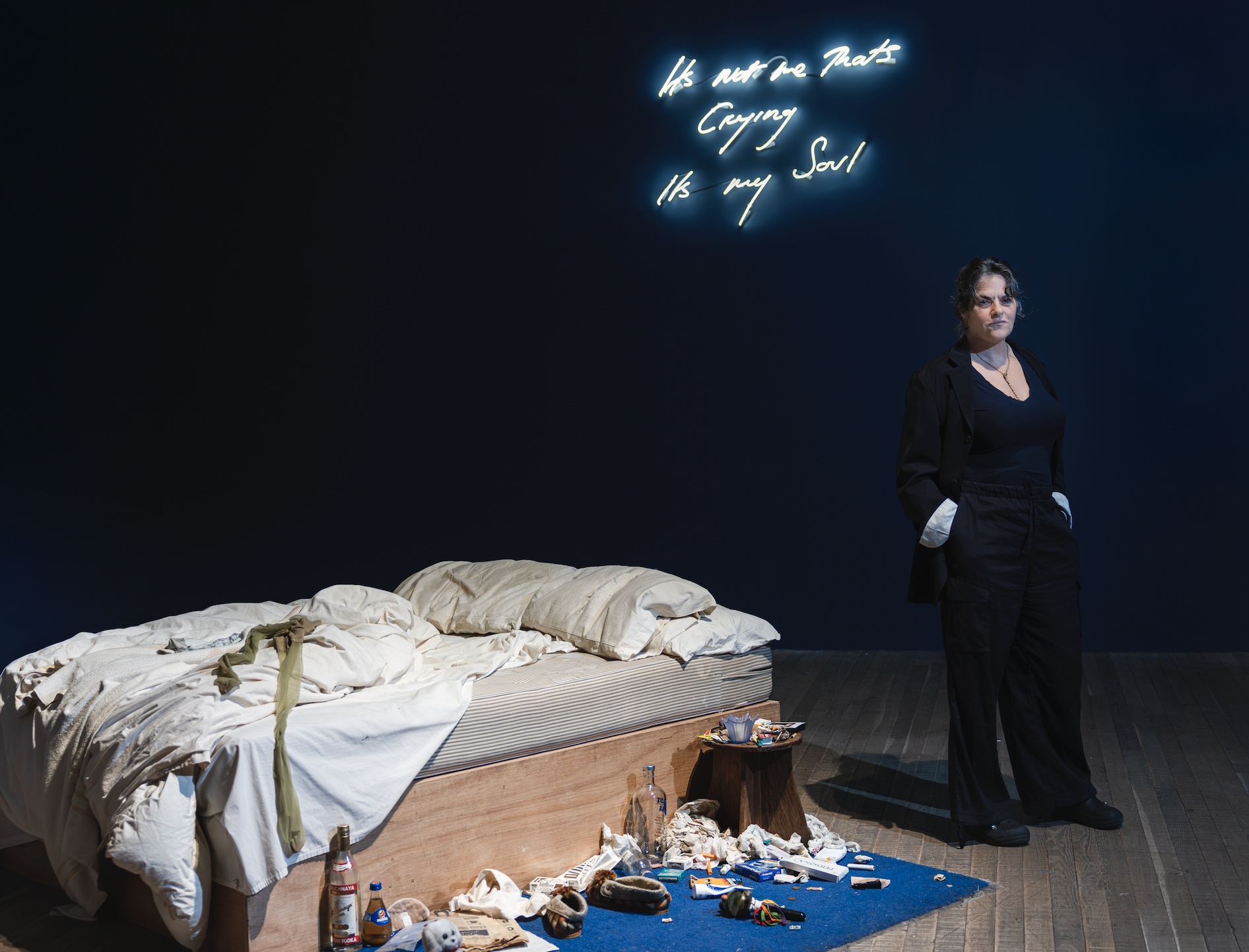
This spring, Tate Modern will present the most comprehensive exhibition ever staged of Tracey Emin, marking a defining moment in the career of one of Britain’s most influential living artists. A Second Life spans four decades of uncompromising artistic practice, bringing together more than 90 works across painting, sculpture, video, textile, neon, and installation, many of which will be shown publicly for the first time.
Conceived in close collaboration with Emin herself, the exhibition is not a conventional retrospective but a deeply personal chronology: a mapping of rupture, survival, and transformation. From the confessional rawness of her early work in the 1990s to the spiritual intensity of her recent paintings and bronzes, A Second Life traces how Emin has continuously used her own body, memory, and vulnerability as both subject and medium.
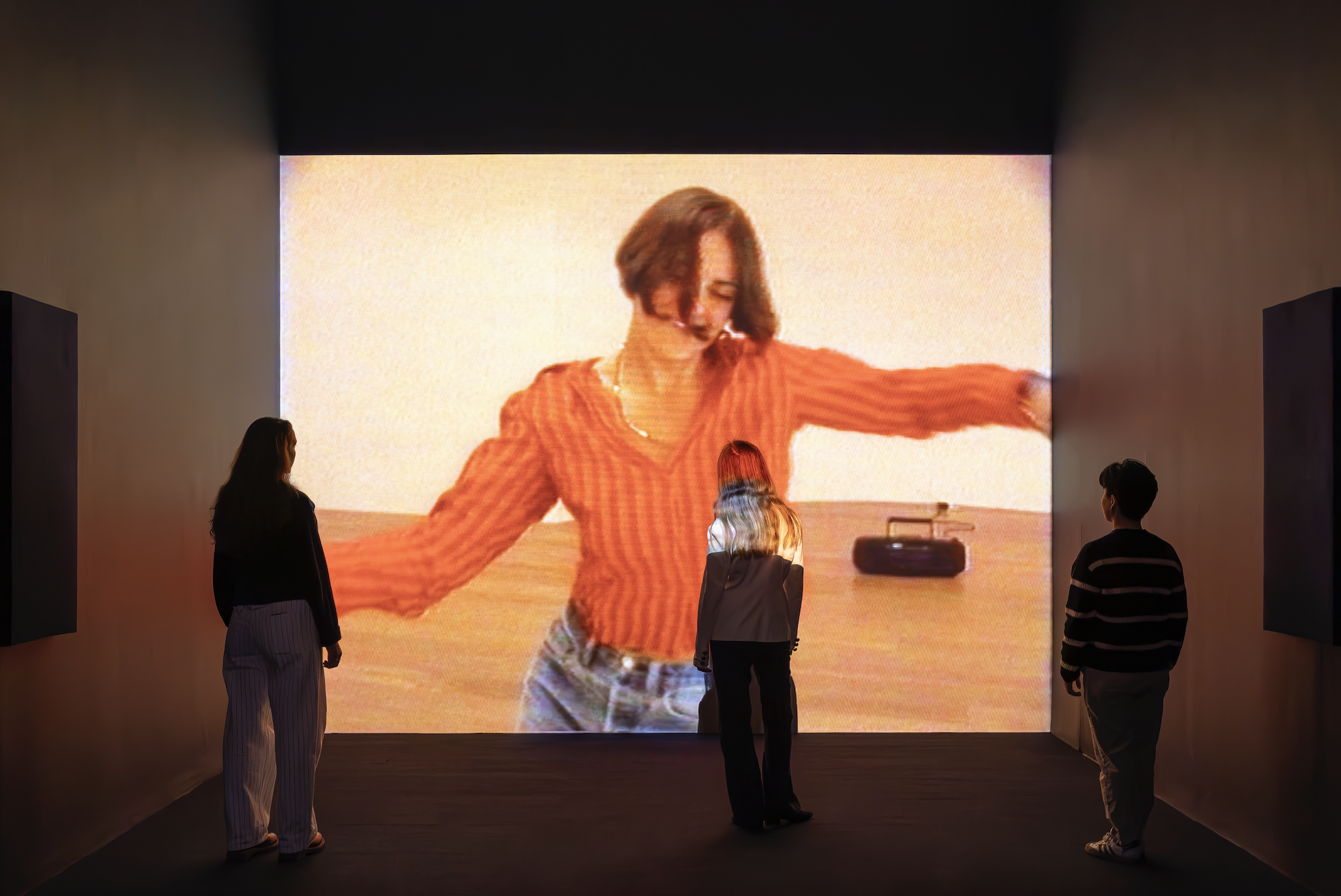
The exhibition opens with an exploration of Emin’s lifelong relationship with painting, a practice she has repeatedly abandoned and returned to. Early works from My Major Retrospective 1982–93, first shown at White Cube, include small photographic records of paintings she destroyed during a period of personal crisis. These sit alongside Tracey Emin CV (1995), a stark first-person narration of her life to that point, and the now-iconic video Why I Never Became a Dancer (1995), in which Emin recounts traumatic experiences from her teenage years in Margate. Together, these works establish the confessional voice that would come to define her practice; intimate, unsparing, and unmistakably hers.
Margate itself emerges as a recurring emotional landscape throughout the exhibition. Emin’s relationship with her hometown, which she left at fifteen, returned to intermittently, and ultimately reclaimed as her permanent home following her mother’s death and her own cancer diagnosis, is presented not as nostalgia, but as psychological terrain. Works such as Mad Tracey From Margate: Everybody’s Been There (1997), with its hand-stitched confessions, and It’s Not the Way I Want to Die (2005), a wooden rollercoaster inspired by Dreamland, reveal a town synonymous with both freedom and fear. Tate’s presentation underscores how Emin repeatedly revisits and re-narrates her past as a way of understanding the present.
Central to A Second Life is Emin’s refusal to sanitise trauma. Sexual assault, abortion, illness, and institutional neglect are addressed directly, not as provocation, but as lived reality. Neon works such as I Could Have Loved My Innocence (2007) and embroidered textiles like Is This a Joke (2009) confront experiences often left unspoken, while the video How It Feels (1996) offers a harrowing yet lucid account of an abortion gone wrong. Shown publicly for the first time, the quilt The Last of the Gold (2002), emblazoned with an A–Z of abortion, functions as both artwork and act of solidarity.
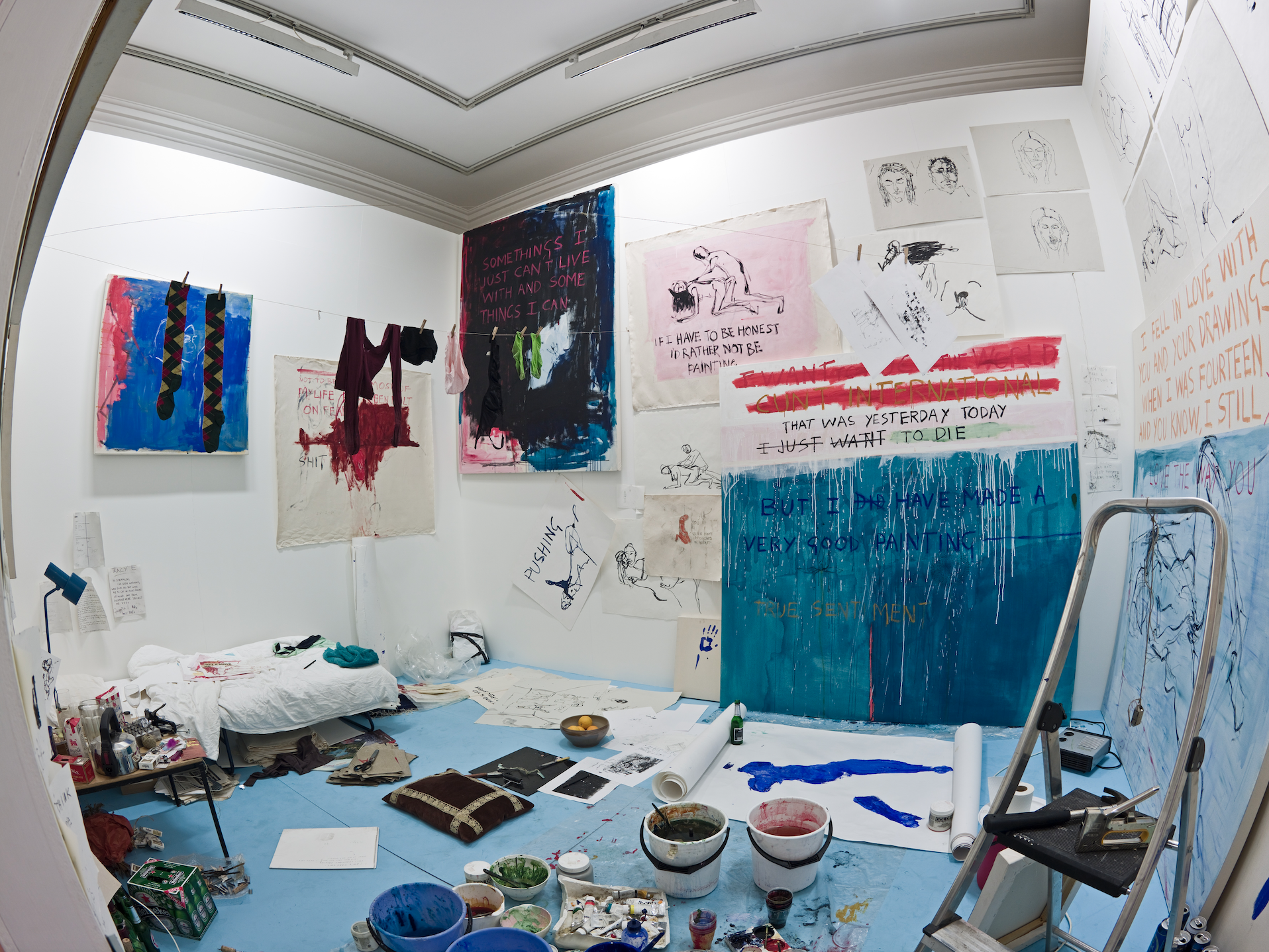
At the heart of the exhibition sit two of Emin’s most seminal installations. Exorcism of the Last Painting I Ever Made (1996) documents a period of self-imposed isolation in which the artist attempted to reconcile her relationship with painting after abandoning it following her abortion. This is followed by My Bed (1998), her Turner Prize–nominated work that immortalised the aftermath of an alcohol-fuelled breakdown. Together, they form a pivot point; a movement from what Emin describes as her first life into the second.
The later sections of the exhibition address Emin’s experience of cancer, surgery, and disability with characteristic directness. Recent works such as the bronze Ascension (2024) explore her evolving relationship with her body following major surgery for bladder cancer, accompanied by new photographic works that show the stoma she now lives with. There is no separation here between public and private, art and body, only continuity.
The exhibition culminates in a powerful suite of large-scale paintings that define Emin’s current practice. While pain and heartbreak remain present, these works possess a transcendent, almost spiritual quality, gestures of presence rather than survival. The sculpture Death Mask (2002) sits among them as a quiet reminder of mortality, while outside the museum, the monumental bronze I Followed You Until the End (2023) extends Emin’s emotional vocabulary into the public realm.
Speaking about the exhibition, Emin has described A Second Life as a benchmark; “a moment in my life when I look back and go forward.” At Tate Modern, that forward movement feels unmistakable. This is not an artist softening with age, but one who continues to insist that art must tell the truth, even when it hurts.
