London Fashion Week AW26: Craft, Character, and Cultural Confidence
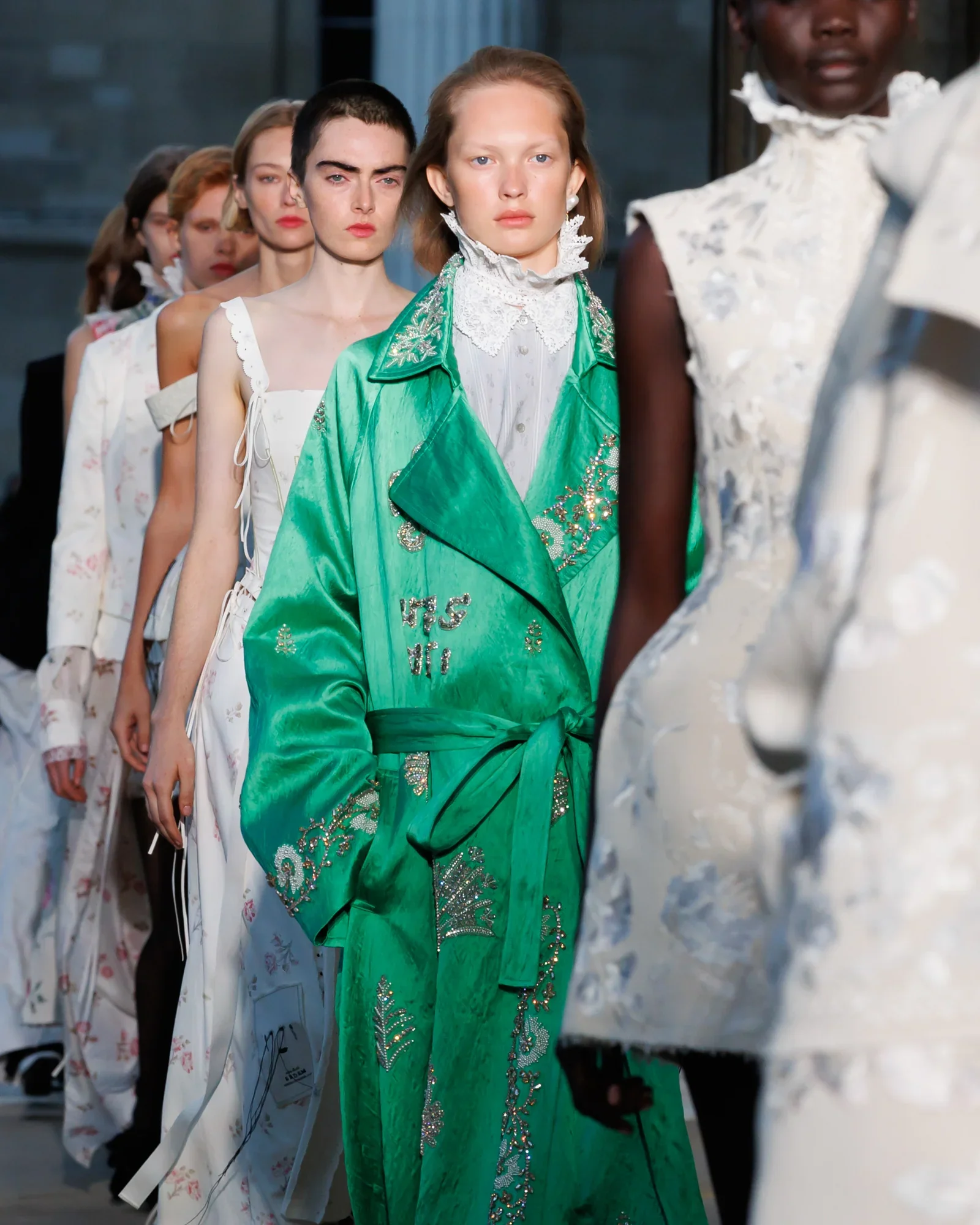
London Fashion Week AW26 felt less like a conventional fashion week and more like a cultural programme, one where performance, heritage, and experimentation sat comfortably side by side. This has always been London’s quiet distinction. Unlike Paris or Milan, which trade in polish and continuity, London is where fashion has traditionally been born from ideas rather than industry. It is the city that produced John Galliano and Alexander McQueen, where generations of designers emerged not from maisons, but from art schools such as Central Saint Martins and the Royal College of Art. AW26 felt like a continuation of that legacy: fashion as a form of cultural expression rather than a product launch.
Fashion as Performance
One of the most talked-about moments came from Completedworks, which blurred the boundary between fashion presentation and live art. Actress Jemima Kirke delivered a raw, performative presence that elevated the collection beyond adornment. The jewellery became part of a narrative, emotional, bodily, and quietly unsettling, reinforcing London’s long-standing comfort with discomfort.
New Voices, Serious Debuts
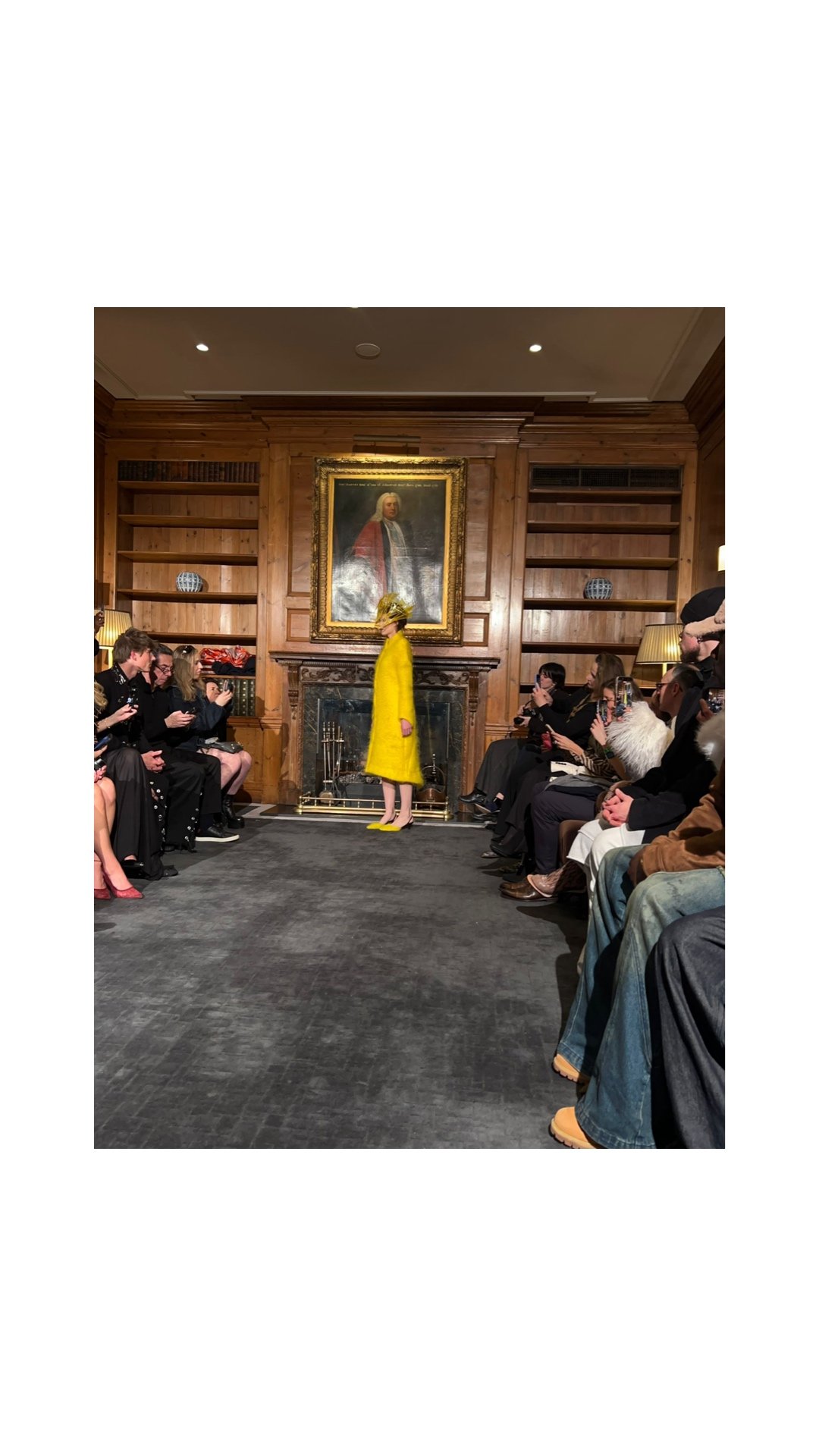
Among the strongest debuts of the season was Daniel Del Valle, whose first full collection demonstrated remarkable clarity for a newcomer. There was confidence in the construction, restraint in the palette, and an understanding of proportion that felt instinctive rather than studied. A debut not chasing attention, but earning it.
Erdem: A Milestone Moment
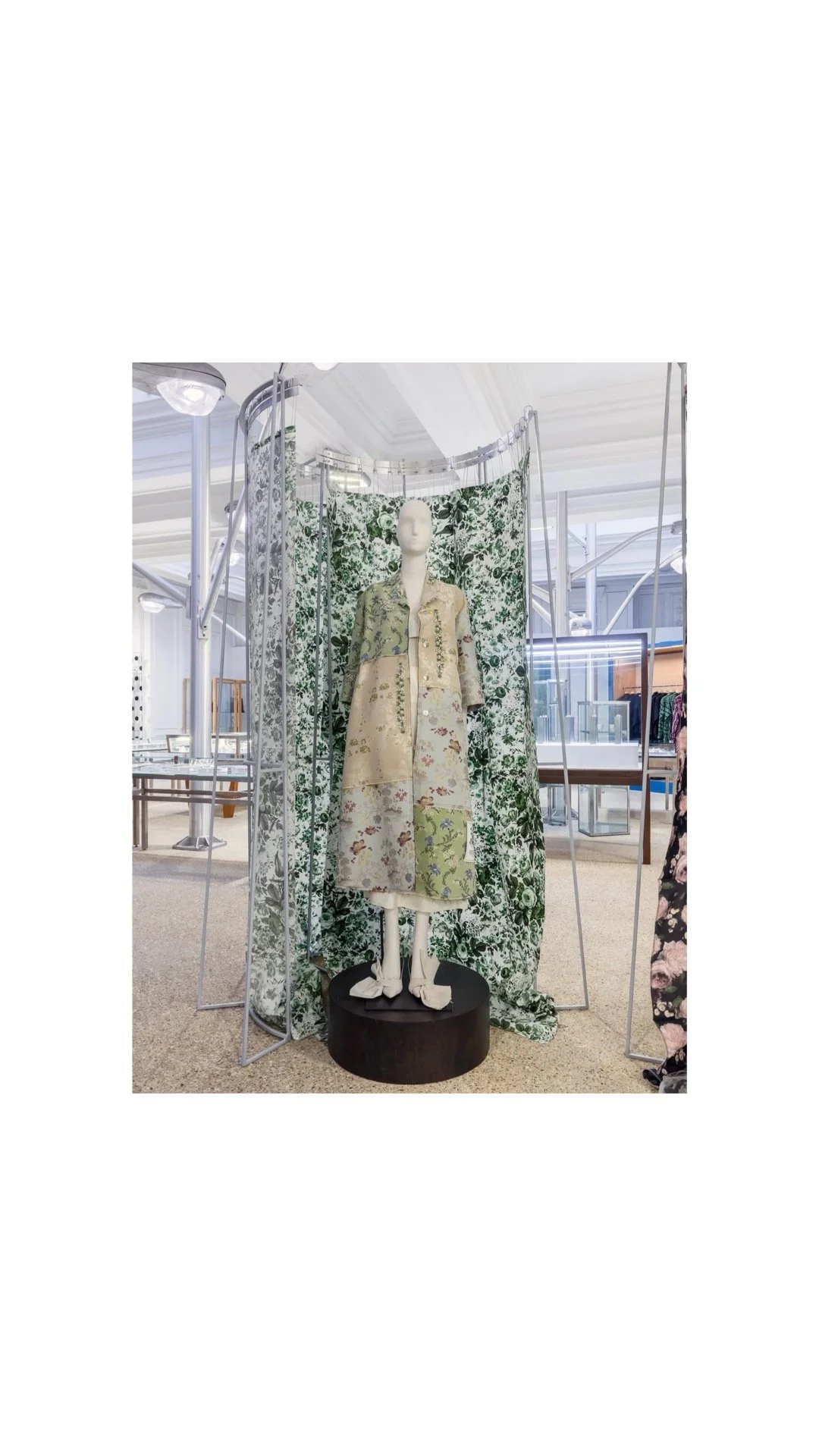
Celebrating a major anniversary, Erdem delivered a collection that felt reflective without being retrospective. Florals, always central, were darker, more abstract, embedded into tailoring rather than floating on top. The collaboration with Dover Street Market added a contemporary edge, positioning the brand firmly in the present while acknowledging its legacy.
The Enduring Power of Craft
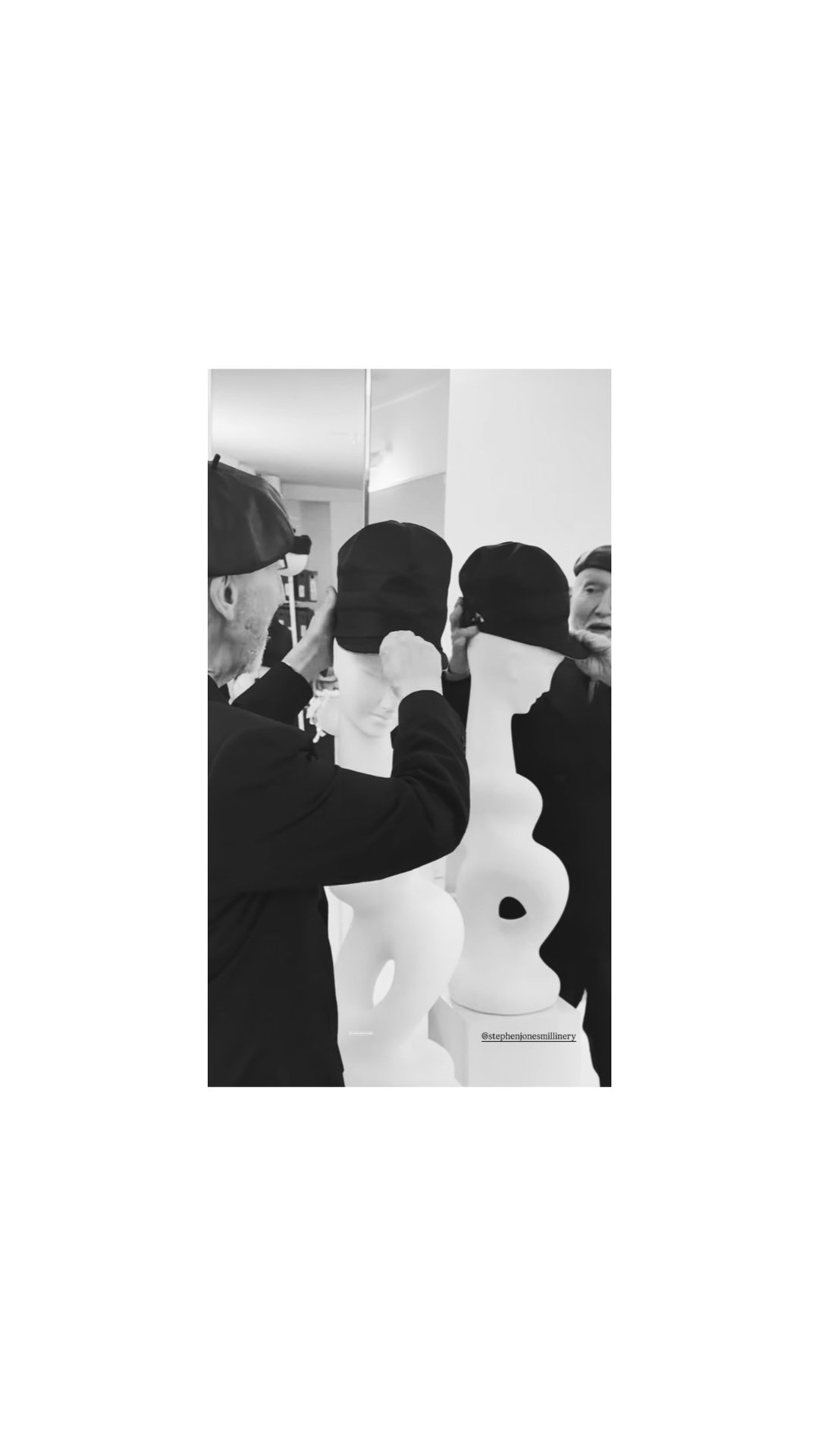
Millinery legend Stephen Jones reminded us why hats remain one of London’s great fashion languages. Sculptural, witty, and impeccably executed, his pieces functioned as moving architecture, playful but exacting, eccentric without excess.
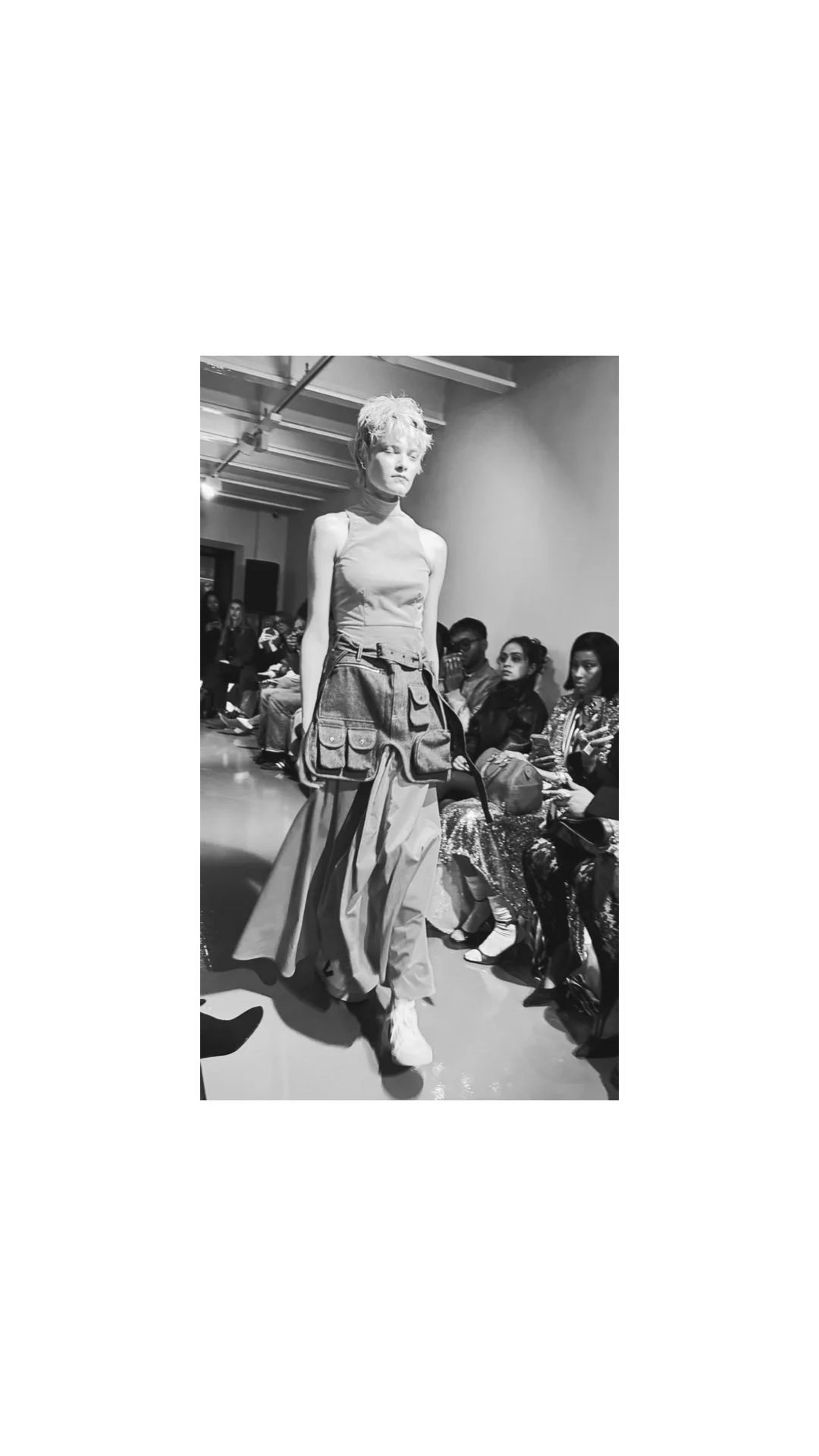
Romanticism also held its ground. Bora Aksu continued his exploration of fragility and strength through lace, sheer layers, and historical references, while Ksenia Schnaider injected sharp denim innovation and subversive silhouettes, balancing conceptual rigour with wearability.
Established Names, Reasserted
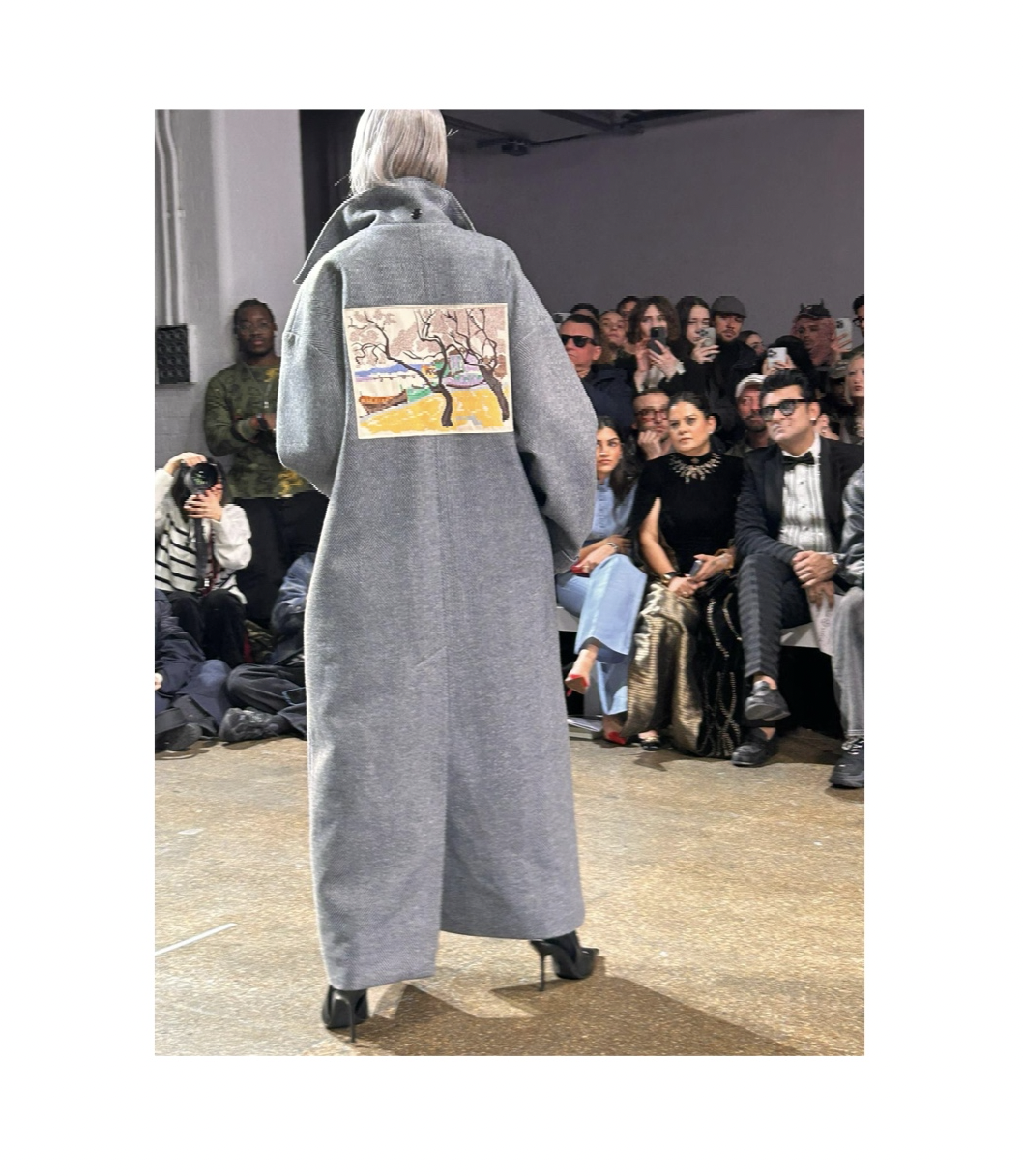
Veterans Paul Costelloe and Julien Macdonald brought very different energies to the schedule, Costelloe with his disciplined tailoring and fabric focus, Macdonald with unapologetic glamour and sensuality. Together, they underscored the breadth of London fashion: from precision to provocation.
Richard Quinn: Controlled Spectacle
Few designers command drama like Richard Quinn, and AW26 was no exception. Florals, latex, and high-gloss surfaces created a sense of fantasy, but this season, it felt tighter, more deliberate. The spectacle served the clothes, not the other way around.
Beauty, Scent, and Atmosphere
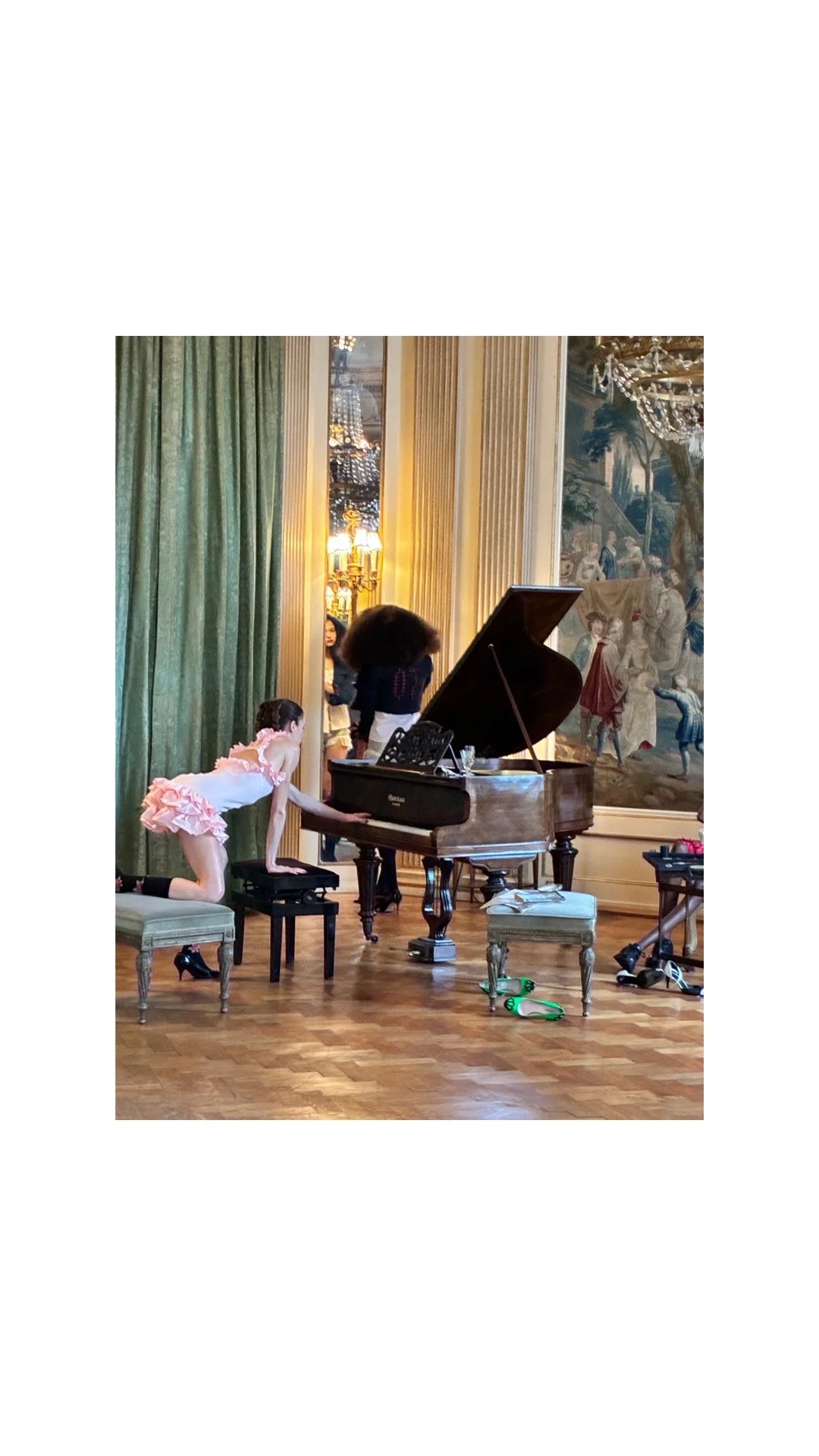
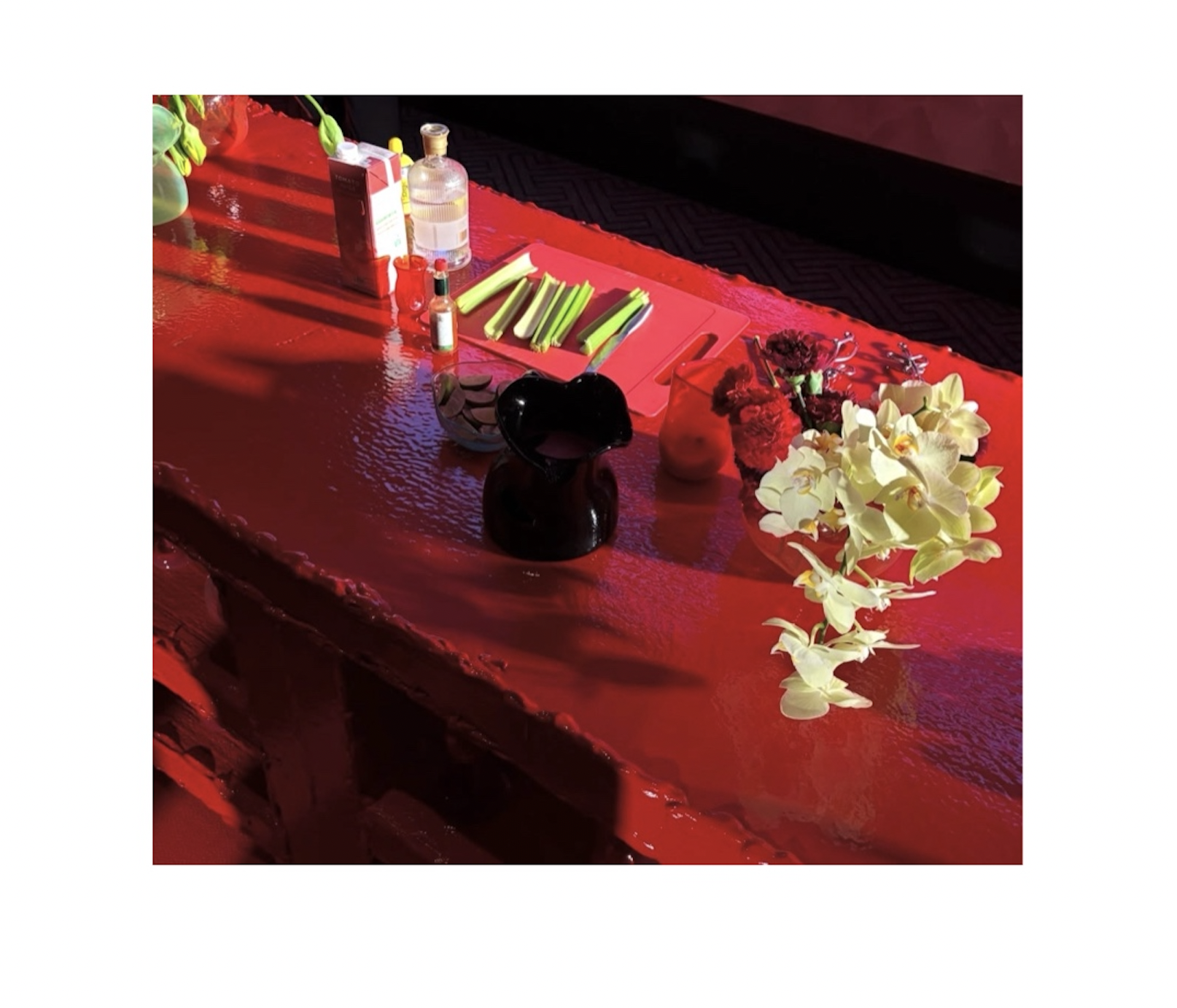
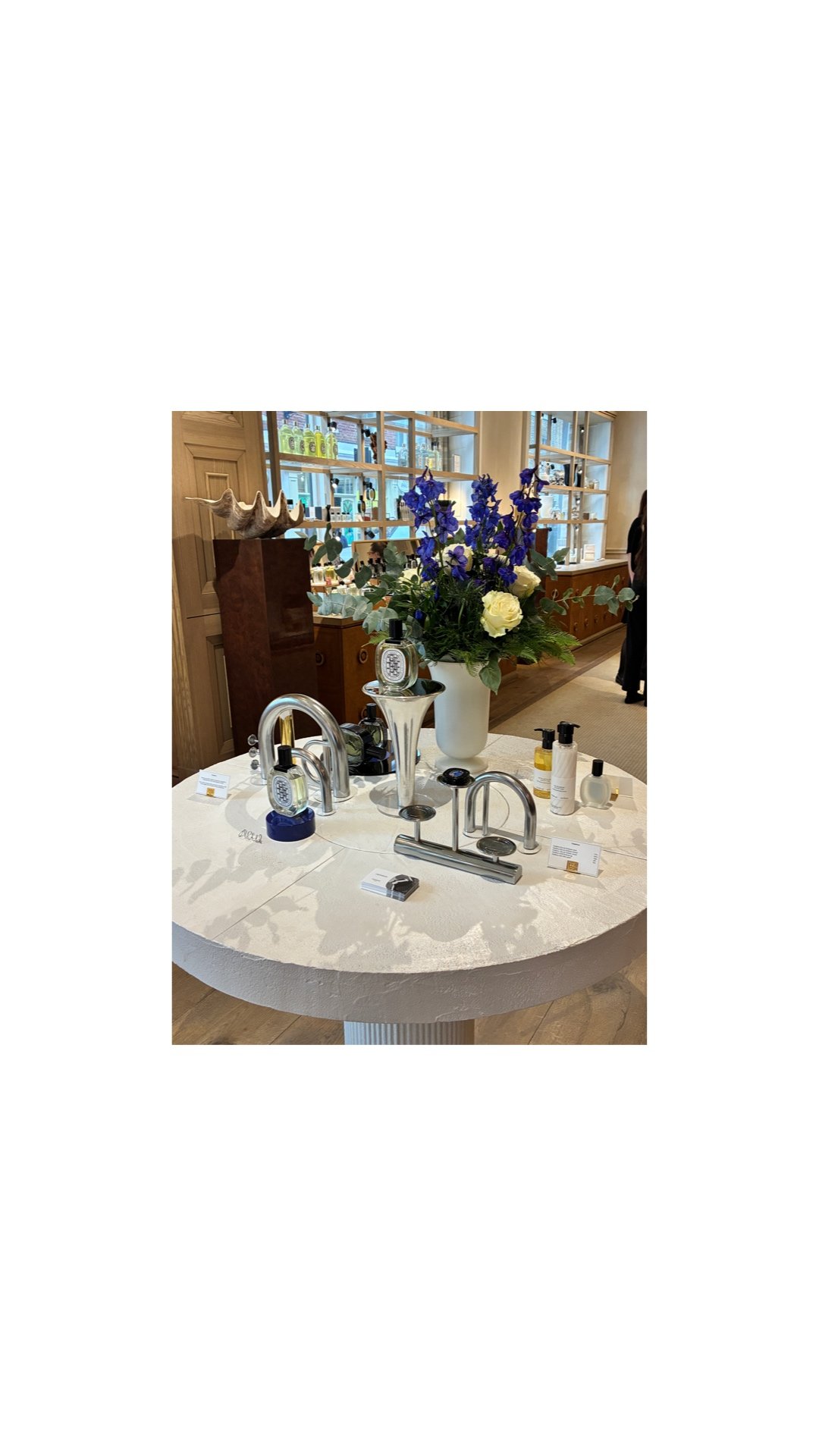
Beyond the runway, Diptyque unveiled a new fragrance during the week, anchoring fashion within a wider sensory universe. Meanwhile, designer Lucila Safdie contributed to the quieter moments of the schedule, presenting at the Argentine Ambassador’s Residence. The presentation unfolded like a film still; an after-party of the bourgeoisie, observed rather than staged, where intimacy, mood, and detail replaced overt theatrics. It was a moment of restraint and atmosphere, reminding us that some of London’s most compelling fashion narratives can be whispered, instead of announced.
A London Season with Intent
What made London Fashion Week AW26 compelling was not uniformity, but conviction. Designers were less interested in virality, more invested in authorship. Clothes were allowed to be strange, emotional, intellectual, sometimes all at once. In a global fashion system obsessed with scale and speed, London once again proved its strength lies elsewhere: in ideas, individuality, and the freedom to take risks without explanation.