Sculpture in Every Direction: Contrepoint at Musée Bourdelle
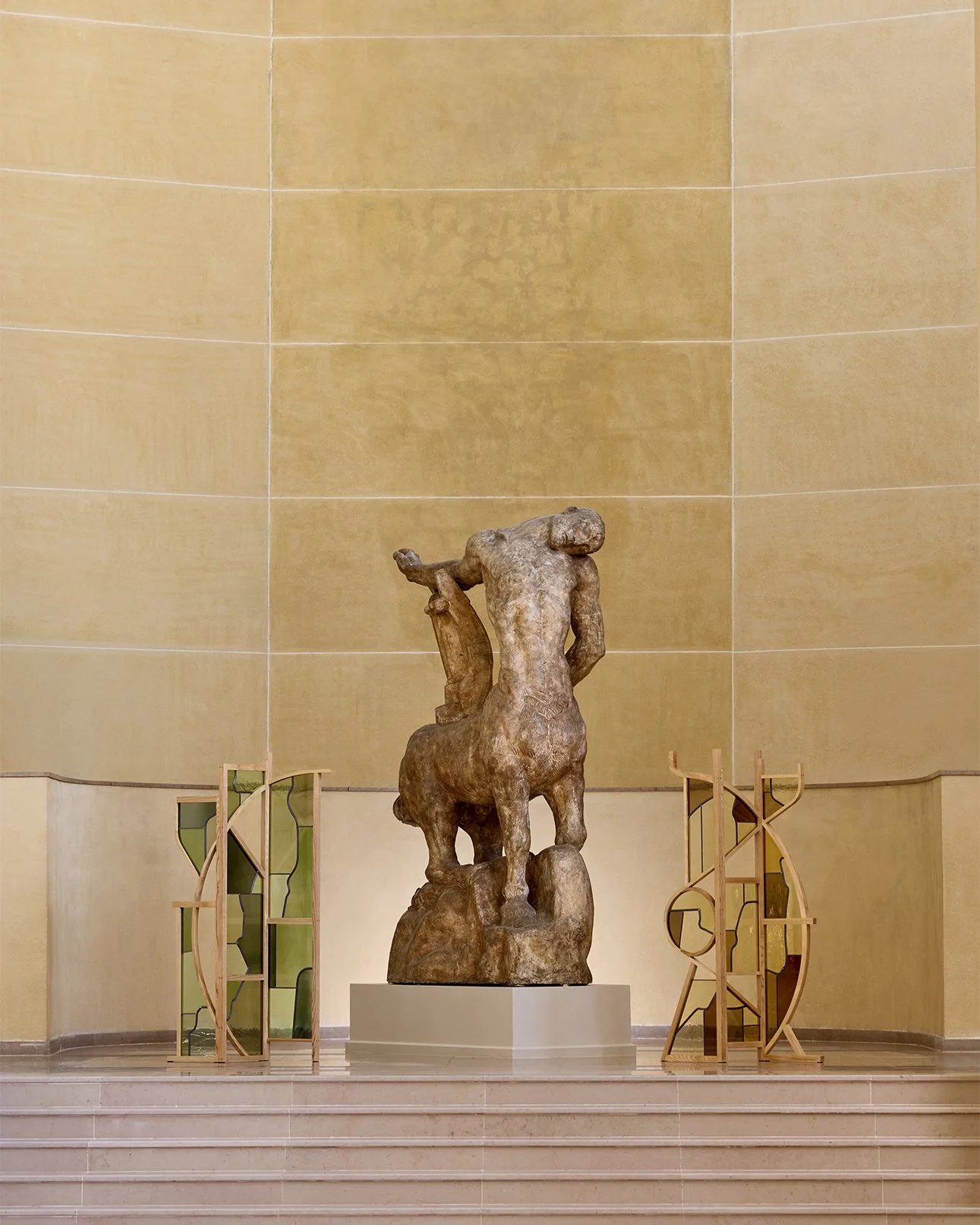
During Paris Design Week, Contrepoint entered the Musée Bourdelle with a collection that explored what happens when furniture and objects begin to behave like sculpture.
“Sculpture, ultimately, is nothing more than drawing in every direction,” Antoine Bourdelle once observed. It is an idea that feels particularly fitting for Sculpture & Design in Dialogue, Contrepoint’s recent presentation at the Musée Bourdelle during Paris Design Week.
Rather than simply placing contemporary design within the museum, Contrepoint used Bourdelle’s work as a starting point. The sculptor’s lines, curves, volumes and sense of tension were translated into a new vocabulary of glass, wood, textiles and clay, creating pieces that sit somewhere between functional object and sculpture.
The setting was particularly appropriate. Bourdelle was fascinated by movement, anatomy and the expressive potential of material, and throughout the collection there is a similar interest in form that appears almost caught in motion. Furniture becomes less about discreet functionality and more about occupying space.
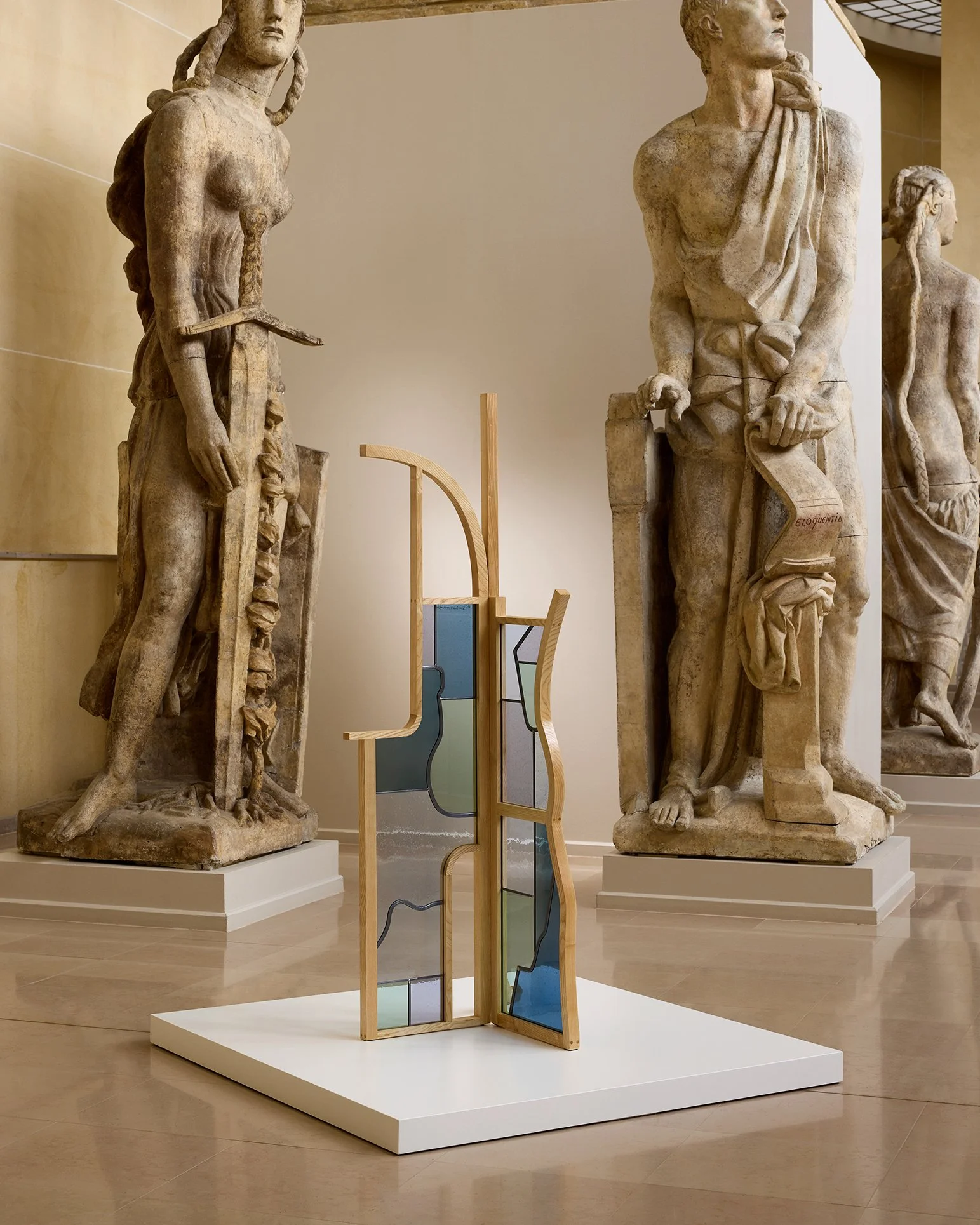
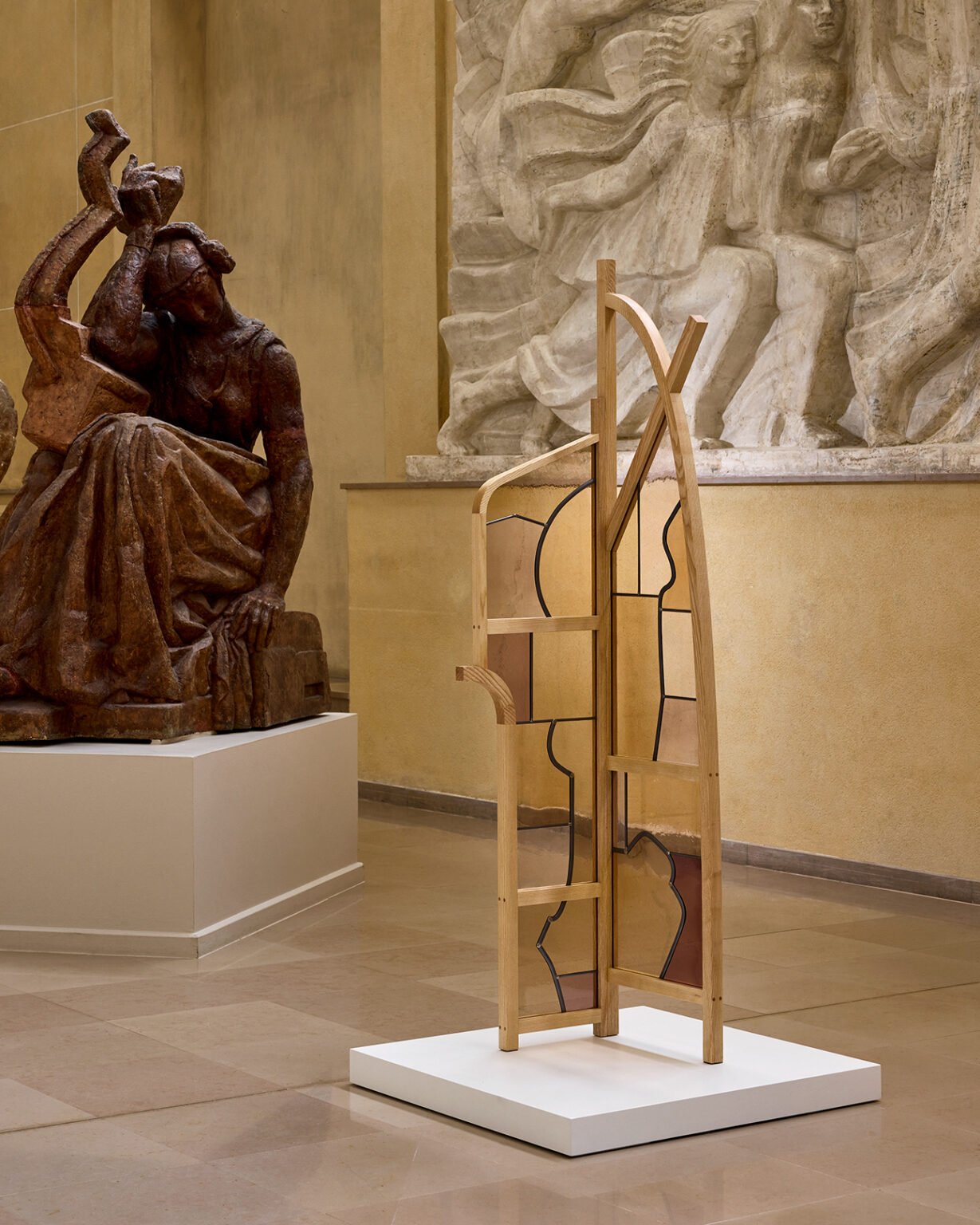
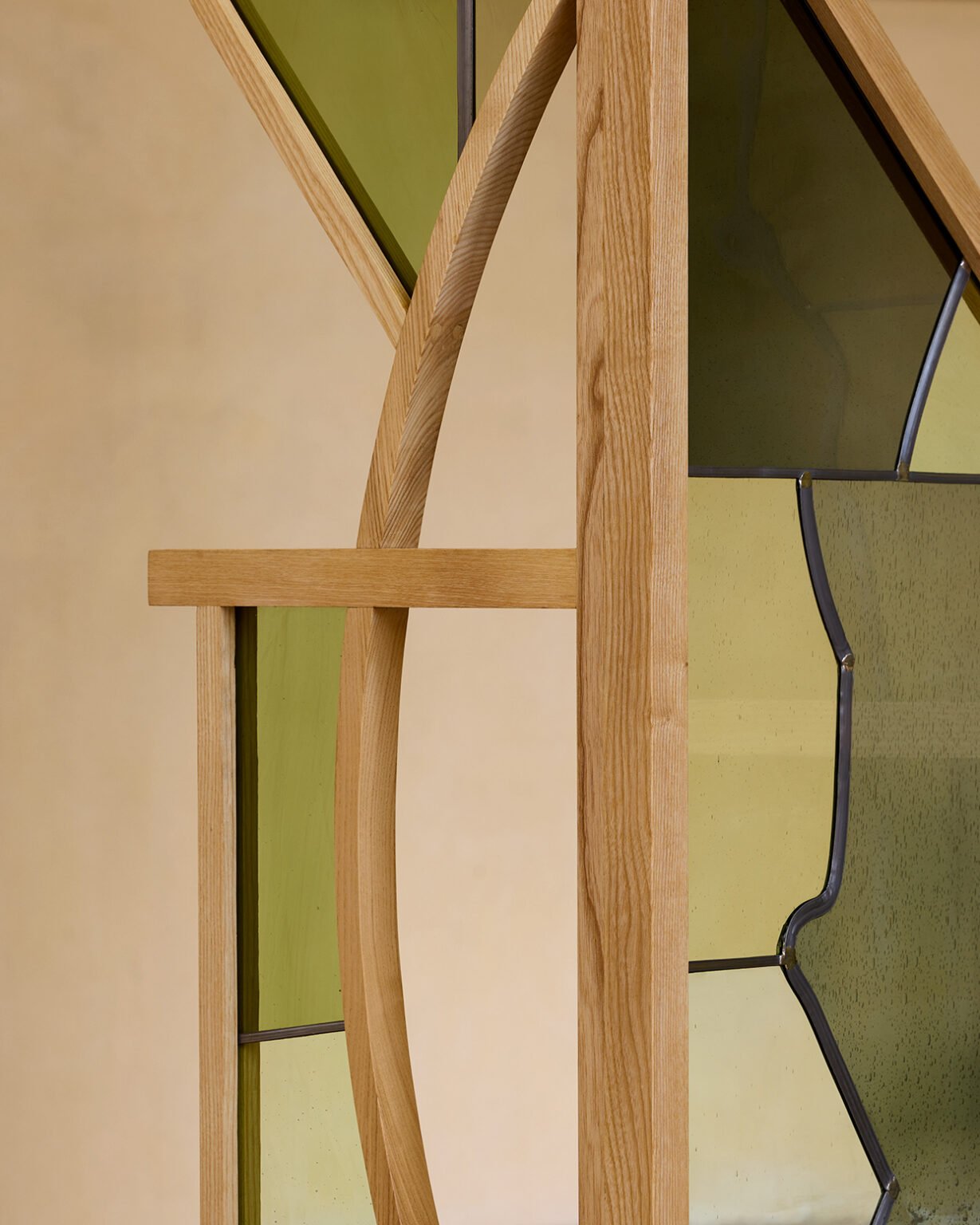
Central to the presentation were Contrepoint A, B, C & D, a series of four stained-glass screens composed of coloured glass within solid ash frames.
Their graphic lines reference the curves and tensions found within Bourdelle’s sculpture, while changing light continually alters the appearance of the glass. Depending on the time of day and the position of the viewer, colour is projected, filtered and refracted through the room, allowing the screens to become temporary architectures of light.
The pieces are also an exercise in French craftsmanship.
The stained glass was created in collaboration with artist Sophie Toporkoff, using glass from the historic Verrerie de Saint-Just, while the ash structures were produced by chair maker Louis Monier, who holds the prestigious title of Meilleur Ouvrier de France.
It is this meeting of disciplines that gives the collection its strength. Traditional techniques are not treated nostalgically but used as tools for contemporary experimentation. Craftsmanship becomes part of the design language rather than simply a means of production.
The wider collection follows the same principle. Across clay, textile, glass and timber, materials are allowed to retain their physical character: surfaces have depth, structures have weight and curves feel deliberately drawn rather than mechanically perfected.
In an era when so much design is experienced first through a screen, the exhibition was also a reminder of the importance of encountering objects physically. Scale, texture, transparency and shadow become as significant as the silhouette itself.
The dialogue that began at Musée Bourdelle now continues beyond Paris Design Week. Limited editions from the collection remain available directly through the Contrepoint studio, alongside pieces developed with La Chance and Fornace Brioni.
Perhaps that is the most interesting legacy of the exhibition: not an attempt to imitate Bourdelle, but to consider how his way of looking at form can continue to influence contemporary design.
Drawing, as Bourdelle suggested, simply continues in every direction.