

Copenhagen as a Showroom: Inside 3daysofdesign 2026
By Dorothea Gundtoft
For three days every June, Copenhagen transforms into a city-wide showroom. Historic mansions become exhibition spaces, warehouses turn into galleries, embassies host installations, and courtyards become outdoor lounges. Everywhere you look, designers, architects, editors and buyers move through the city searching for the next big idea.
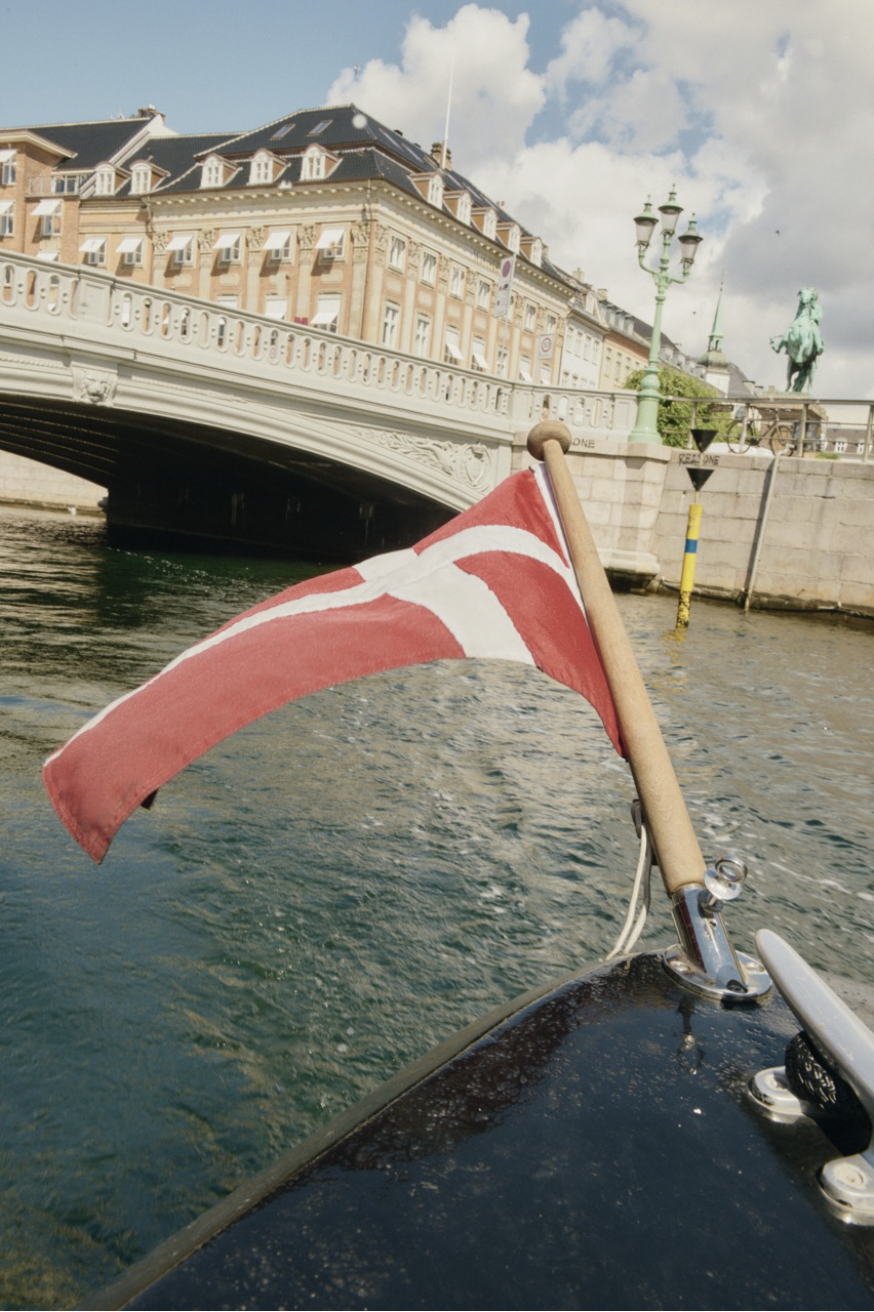
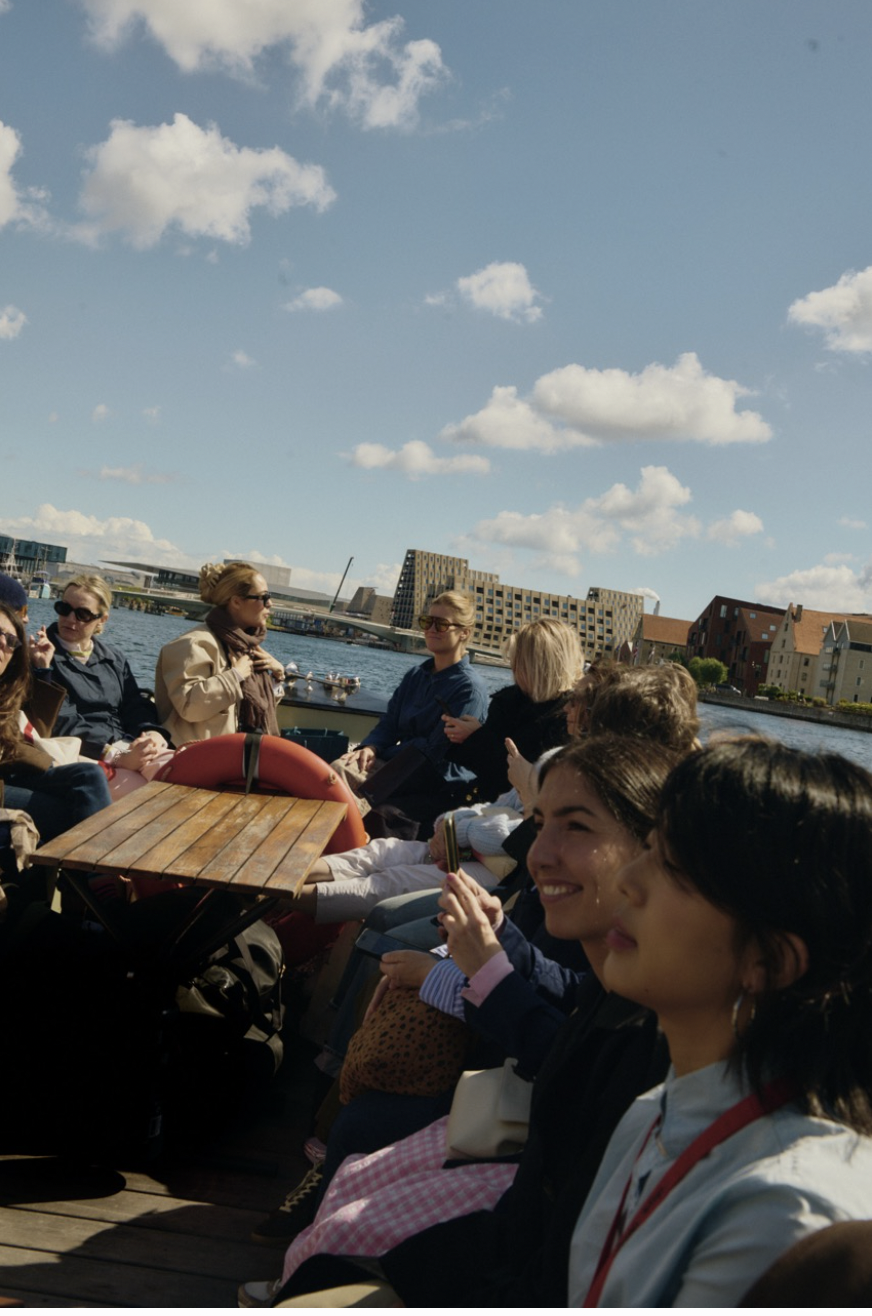
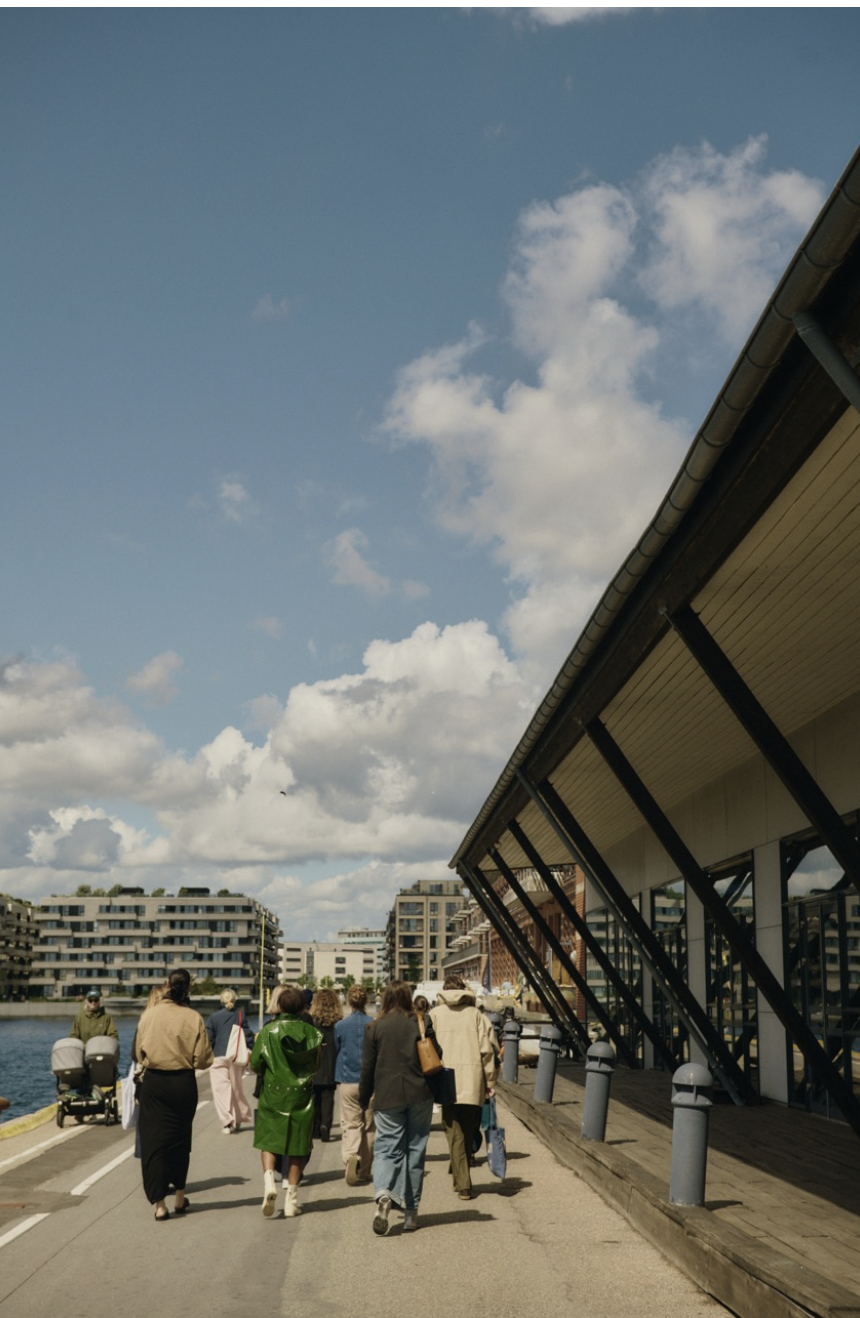
This year I was invited on the official 3daysofdesign press trip, staying at the newly opened Locke Copenhagen and spending three days exploring the festival by Audi, bicycle, harbour boats and plenty of walking.
The programme was intense. Breakfast meetings started at 8.20 am. Dinners rarely ended before 10pm. Nearly every hour brought a new showroom, a new designer and a new perspective on where design is heading next.
By the end of the trip, I had visited more than thirty exhibitions across Copenhagen and come away convinced that 3daysofdesign has become far more than a design festival. While its roots remain firmly Nordic, it now feels like an international symposium where Scandinavian values meet global perspectives. Japanese lighting brands exhibit alongside Danish furniture makers. Spanish editors, Italian manufacturers, British designers and American creatives gather in the same rooms. What emerges is not a celebration of Nordic design alone, but a wider conversation about how we want to live, work and create in the future.
Five Trends That Defined 3daysofdesign
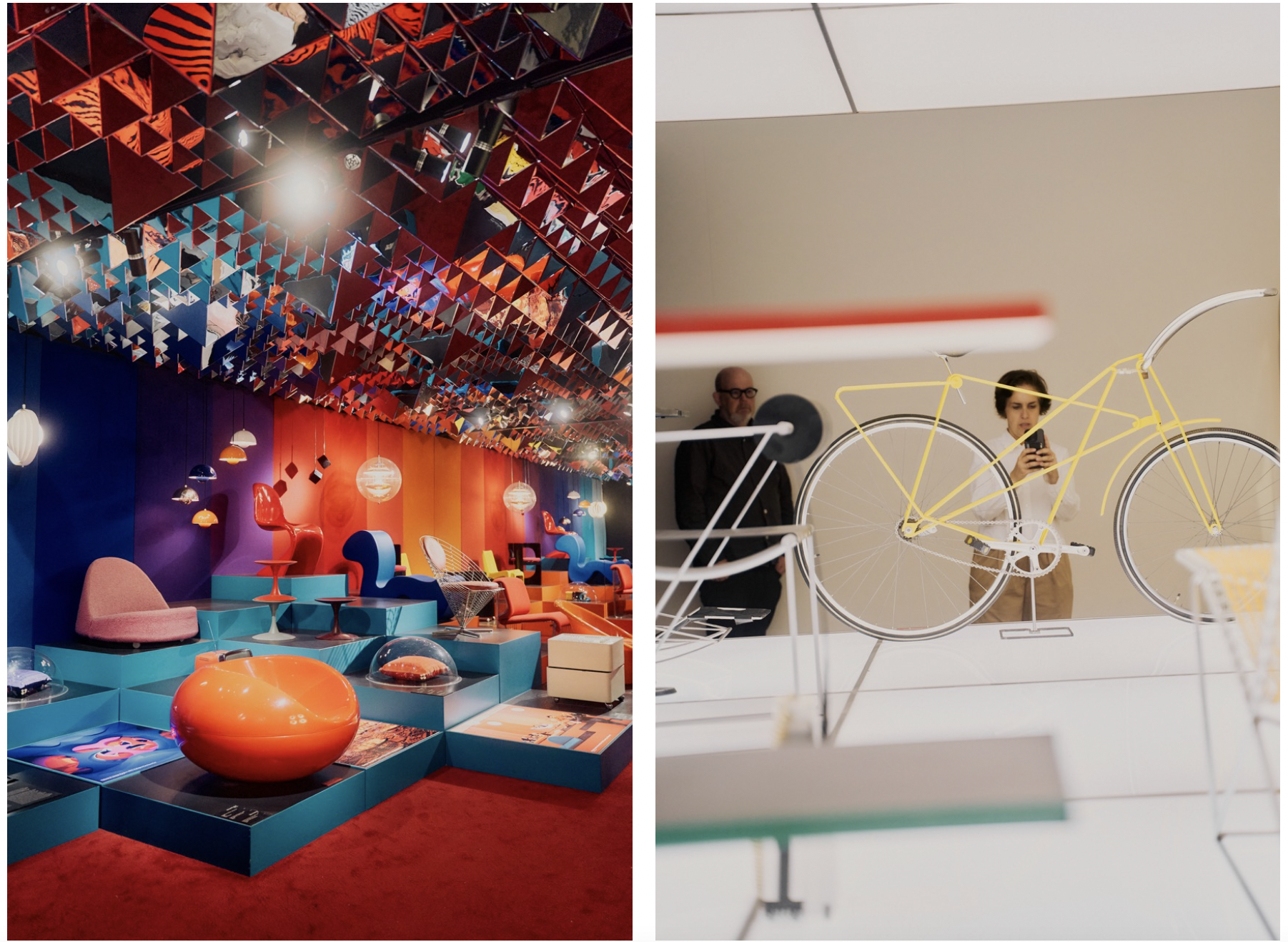
Images by 3daysofdesign, above Verpan at The Danish Design Museum
1. Colour Is Back
For years, Scandinavian design has been associated with pale woods, beige textiles and minimal interiors.
This year felt different.
From Johanson Design's playful furniture to Verpan's celebration of Verner Panton, designers embraced colour, personality and optimism. Olive green appeared almost everywhere, alongside richer browns, burgundy reds and warm terracottas. Playfulness has officially returned.
2. Craftsmanship Matters More Than Ever
Whether it was Royal Copenhagen's porcelain masters, Origin Made's artisans or Ariake's Japanese woodworkers, craftsmanship was one of the strongest themes of the festival.
In an increasingly digital world, there is growing appreciation for the handmade, the imperfect and the deeply human.
3. The Rise of Emotional Design
Designers spoke less about trends and more about feelings.
How does a lamp change the atmosphere of a room? How does a chair encourage conversation? How can materials improve wellbeing?
Many of the most memorable exhibitions focused on emotional experience rather than aesthetics alone.
4. Lighting Is Having a Moment
Lighting was one of the strongest categories throughout the festival.
From Wästberg and Santa & Cole to Issey Miyake's sculptural lamps and Pranchana's decorative lighting, designers increasingly view light as architecture rather than decoration.
5. Design Is Becoming More Interdisciplinary
Fashion brands are making furniture.
Furniture brands are creating art installations.
Architects are designing lighting.
The boundaries between disciplines are disappearing, creating some of the festival's most exciting work.
The Most Talked-About Exhibitions
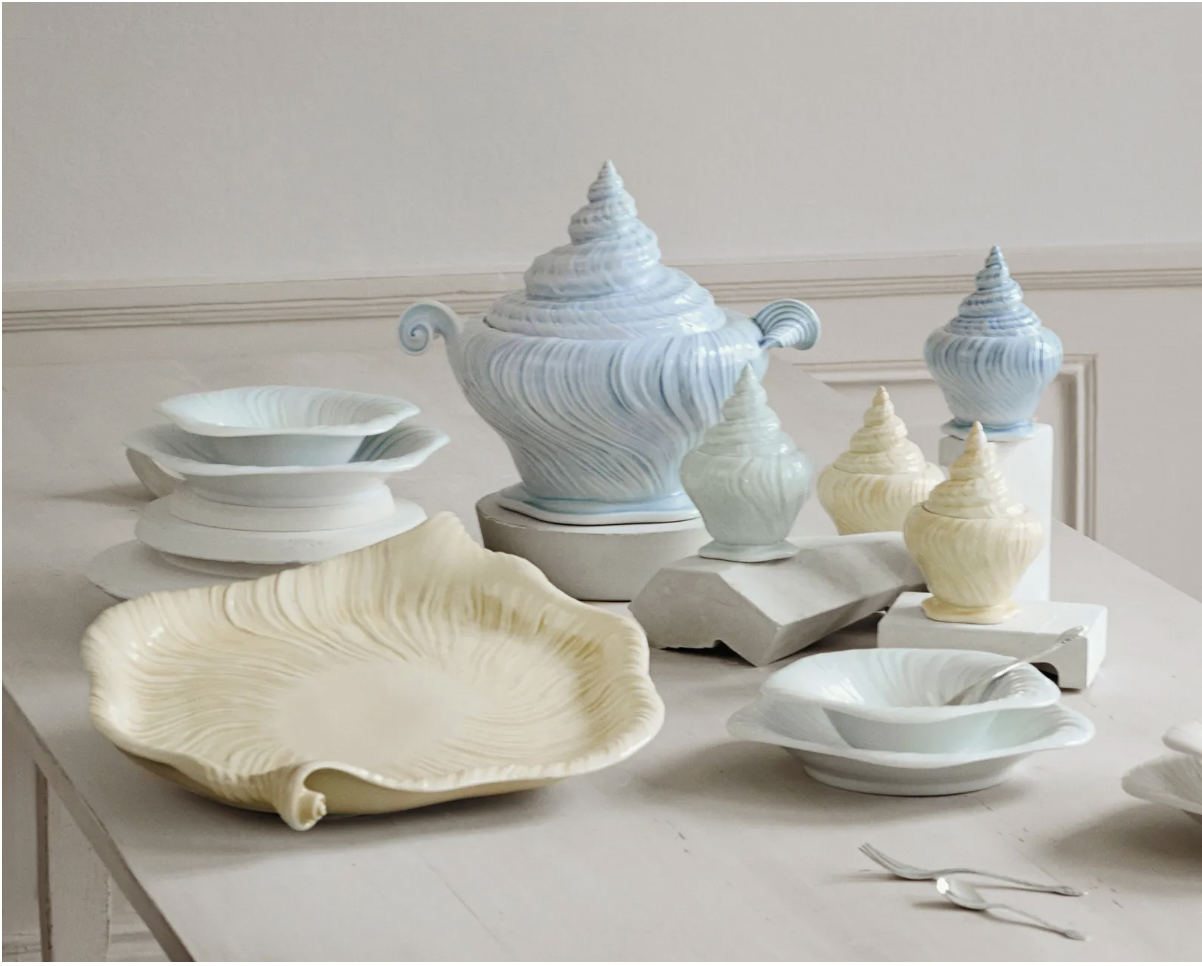
Photo by Royal Copenhagen
Royal Copenhagen x Arje Griegst
Without question, one of the standout moments of the festival.
Royal Copenhagen revived Triton, the fantastical porcelain universe created by Danish artist and goldsmith Arje Griegst in the 1970s. Inspired by mythology and the sea, the collection features shell-like forms, organic vessels and dreamlike details that feel unlike anything else in Scandinavian design.
The exhibition transformed Royal Copenhagen's flagship store into an underwater fantasy. It was theatrical, emotional and deeply beautiful. The relaunch also introduced new glazes inspired by Griegst's original archive.
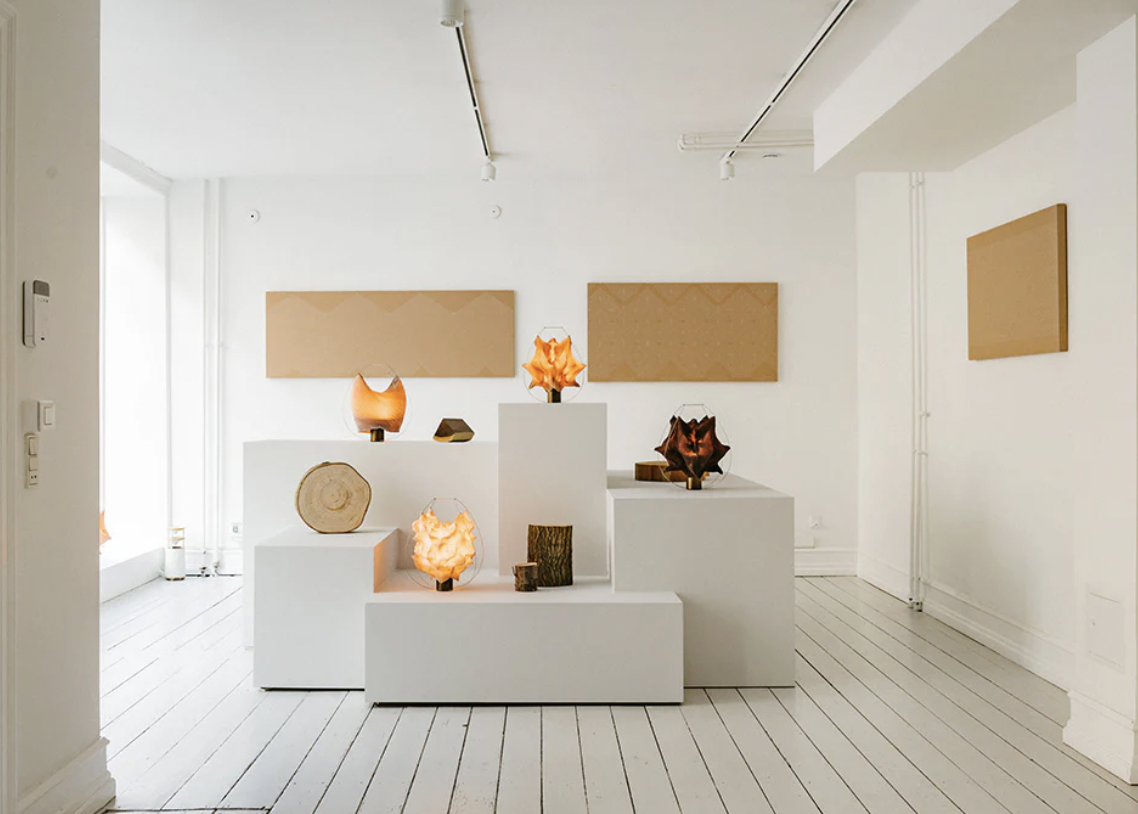
Photo by Issey Miyake
A-POC ABLE ISSEY MIYAKE
One of the most unexpected highlights came from Japanese fashion house A-POC ABLE ISSEY MIYAKE.
Making its debut at 3daysofdesign, the brand presented its TYPE-XIII Atelier Oï project, developed with Swiss design studio atelier oï.
The concept is deceptively simple: one piece of cloth and one piece of wire become a lamp.
The resulting portable lights combine Issey Miyake's signature pleated textiles with lightweight structures that can be folded, transported and customised with interchangeable shades. The lamps sit somewhere between fashion, sculpture and industrial design.
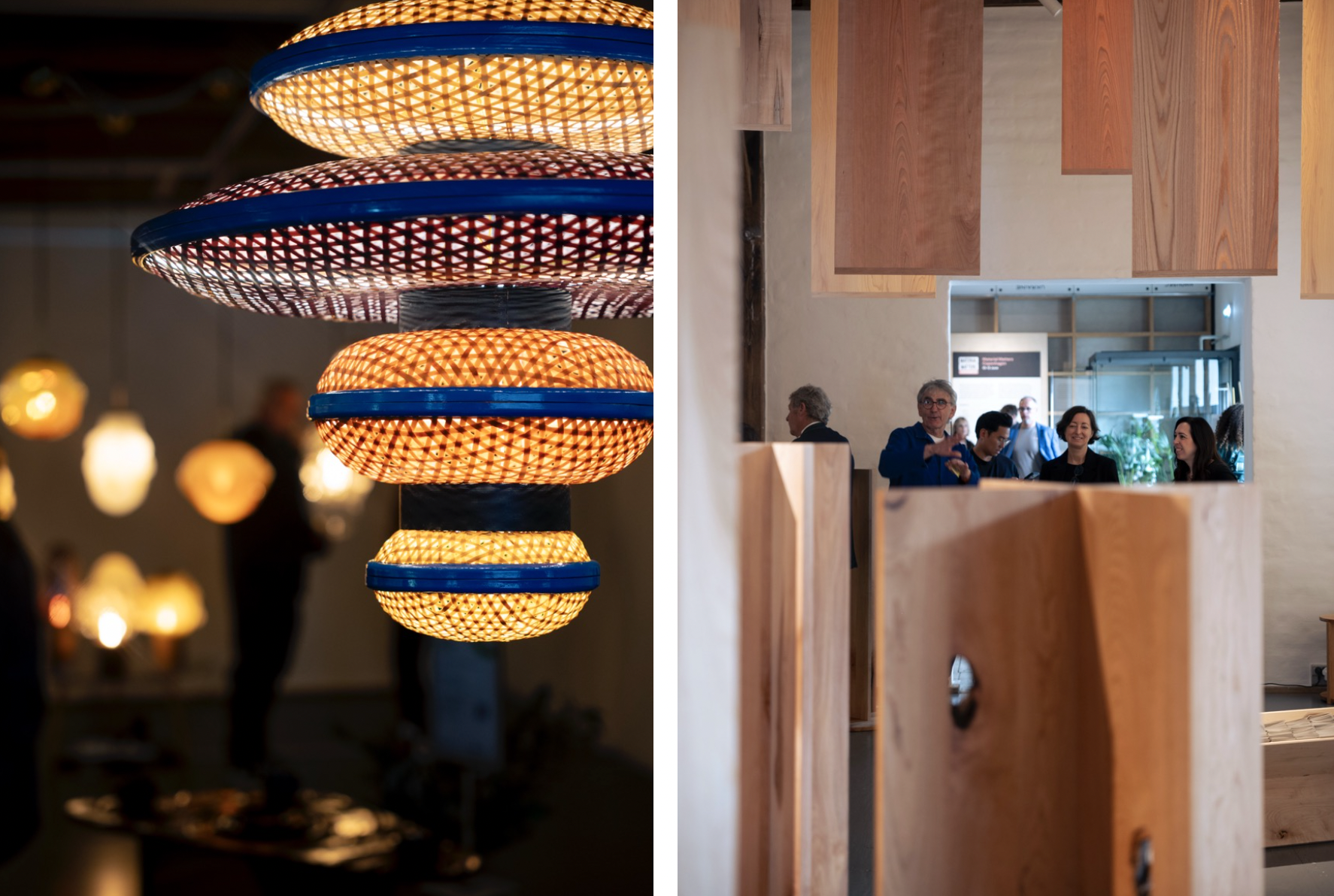
Photo by 3DaysofDesign
Material Matters
Of all the exhibitions I visited during 3daysofdesign, Material Matters was perhaps the one most concerned with the future.
Hosted in Ukraine House, the exhibition brought together designers, researchers, architects and manufacturers united by a shared interest in material intelligence. Rather than focusing on finished products, the exhibition focused on the substances from which future products will be made. Wood, glass, paper, bacteria, mycelium, rice husks, waste materials and experimental biomaterials all featured prominently throughout the show.
What made the exhibition particularly compelling was its emphasis on process rather than perfection. Visitors were invited to consider where materials come from, how they are produced and what happens to them at the end of their life cycle. One of the standout installations, "Wood for the Trees", transformed the exhibition space into an abstract forest, encouraging visitors to reflect on the relationship between design, forestry and environmental stewardship.
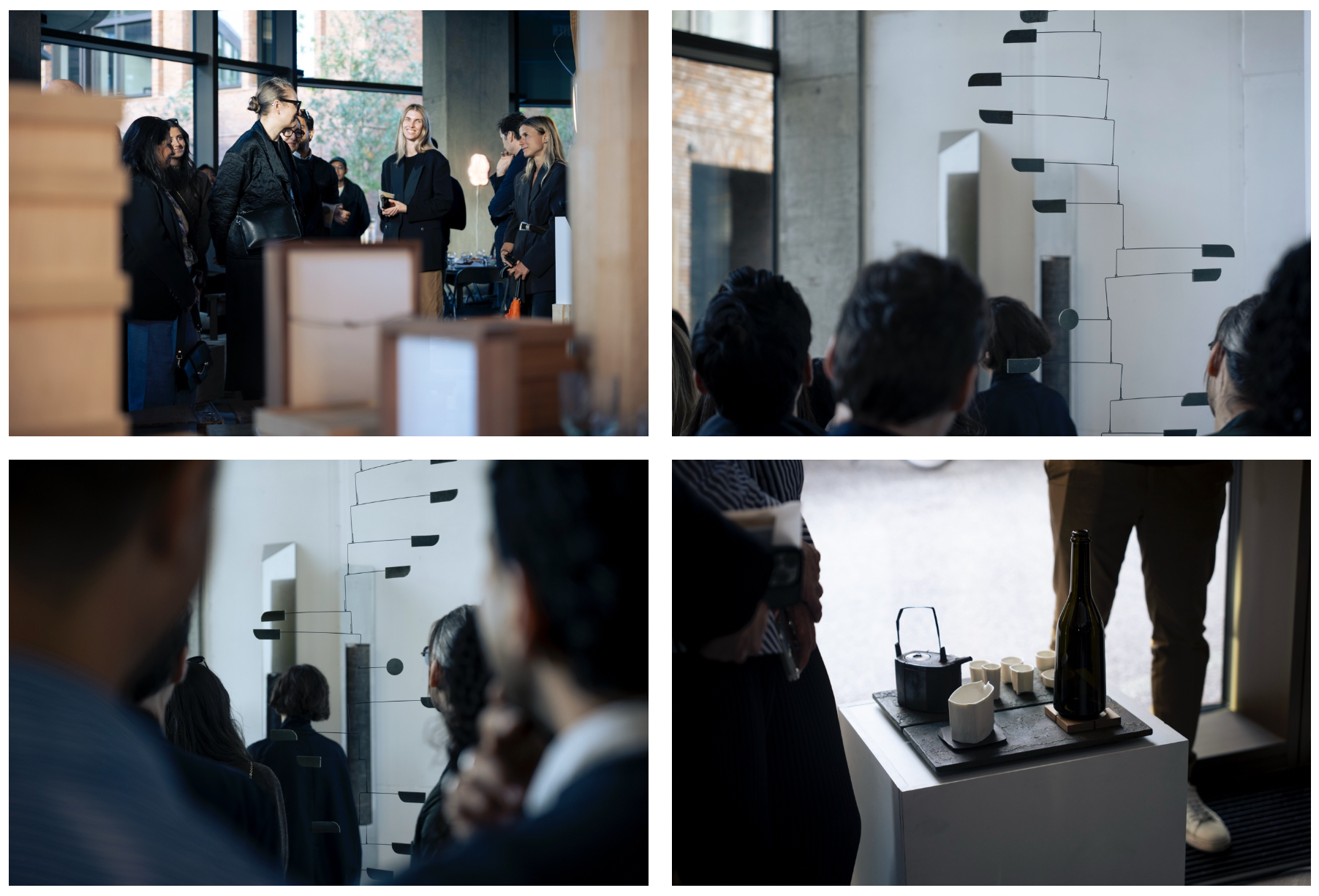
Photos by 3daysofdesign
Fanzi
Among the younger studios participating in 3daysofdesign, Copenhagen-based FANZI felt particularly interesting because it refuses to fit neatly into any category.
The practice operates somewhere between architecture, exhibition design, interiors and art installation. Rather than treating these disciplines separately, FANZI approaches them as part of a continuous spatial experience. Their projects are less concerned with creating individual objects and more interested in shaping how people move through and inhabit space.
Walking through the exhibition, I was struck by how carefully atmosphere had been considered. Light, materiality, scale and movement all worked together to create an experience that felt quietly immersive rather than overtly dramatic. It reflected a broader trend visible throughout 3daysofdesign: a move away from designing individual products towards designing complete sensory environments.
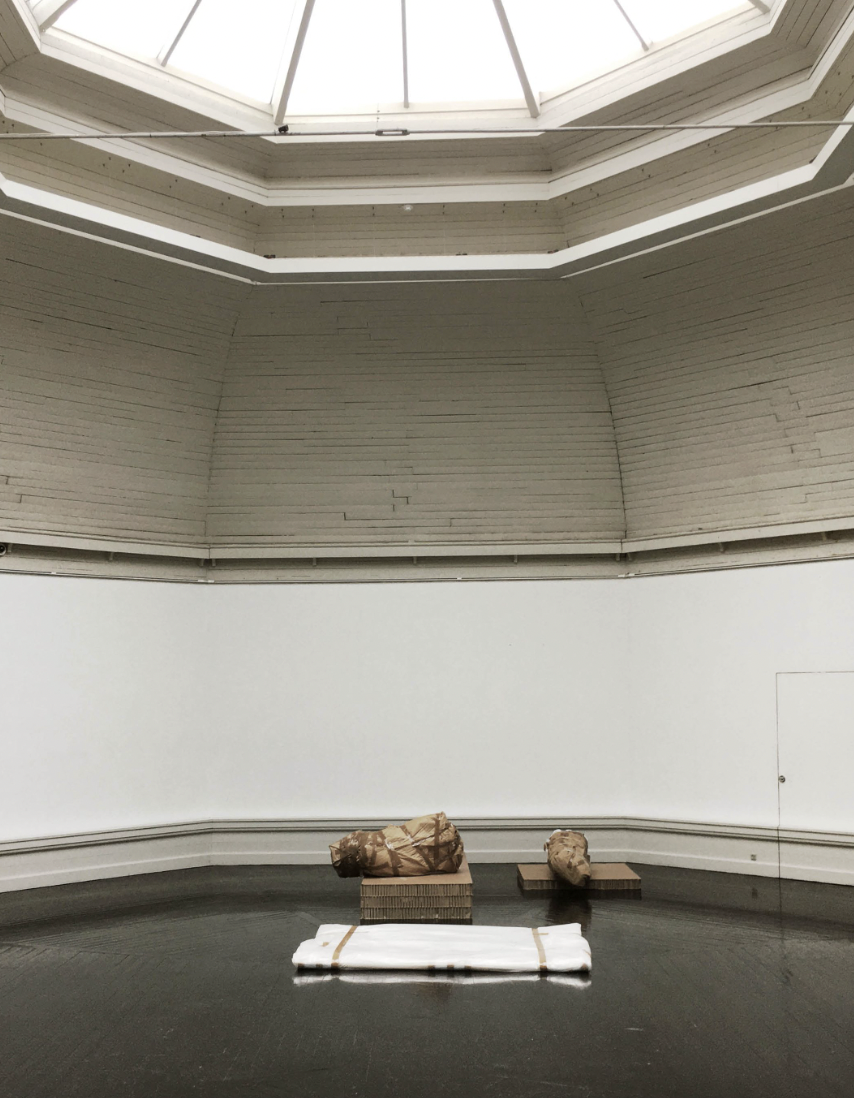
Photo by Ark Journal
Ark Journal Design Dialogue
Held at Den Frie and now in its third edition, the exhibition brought together leading international brands, designers and artists within a highly curated environment that sat somewhere between gallery, magazine and cultural salon. Rather than simply displaying new collections, the exhibition explored the conversations taking place between design, art, architecture and craftsmanship.
This is perhaps unsurprising given Ark Journal's editorial roots. The magazine has built its reputation by exploring the intersection of architecture, interiors, culture and art, and DESIGN / DIALOGUE extends that philosophy into a physical space. Each room felt carefully composed, with furniture, lighting, objects and artworks placed in conversation with one another rather than presented as standalone products.
What I appreciated most was the sense of curation. In an age of information overload, DESIGN / DIALOGUE felt edited. There was a clear point of view. It wasn't trying to show everything; it was trying to show what mattered.
Brand Highlights
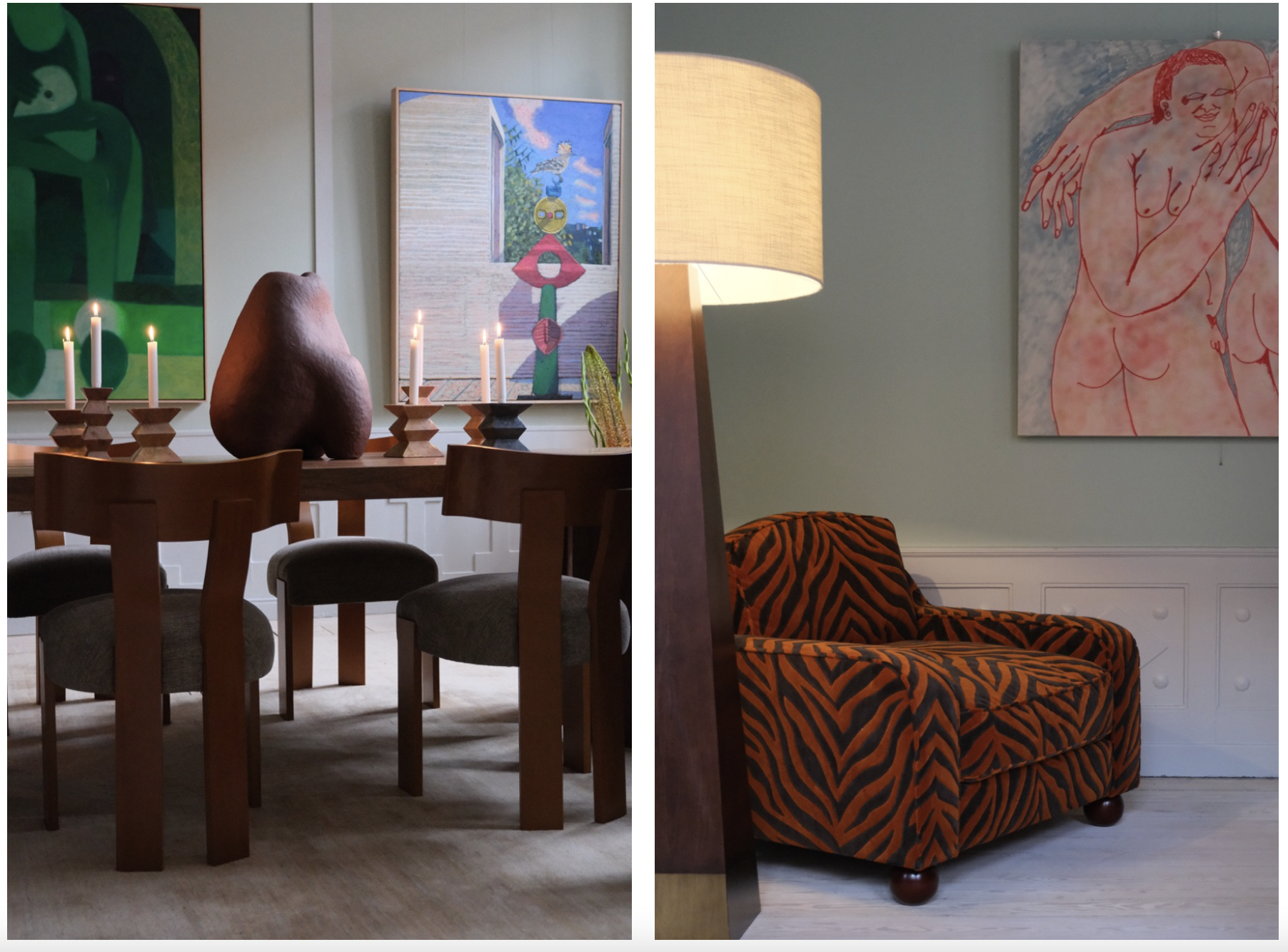
Dusty Deco Photos by 3daysofdesign
Dusty Deco
Swedish maximalism at its best.
Dusty Deco continues to challenge traditional Scandinavian minimalism through richly layered interiors, sculptural furniture and vintage-inspired pieces full of personality. Founded by Edin and Lina Jawerbaum, the brand has built a devoted following by embracing something that Nordic design has often been hesitant to celebrate: personality. Marble, burl wood, sculptural forms and vintage-inspired references appeared throughout the exhibition, creating spaces that felt collected rather than decorated.
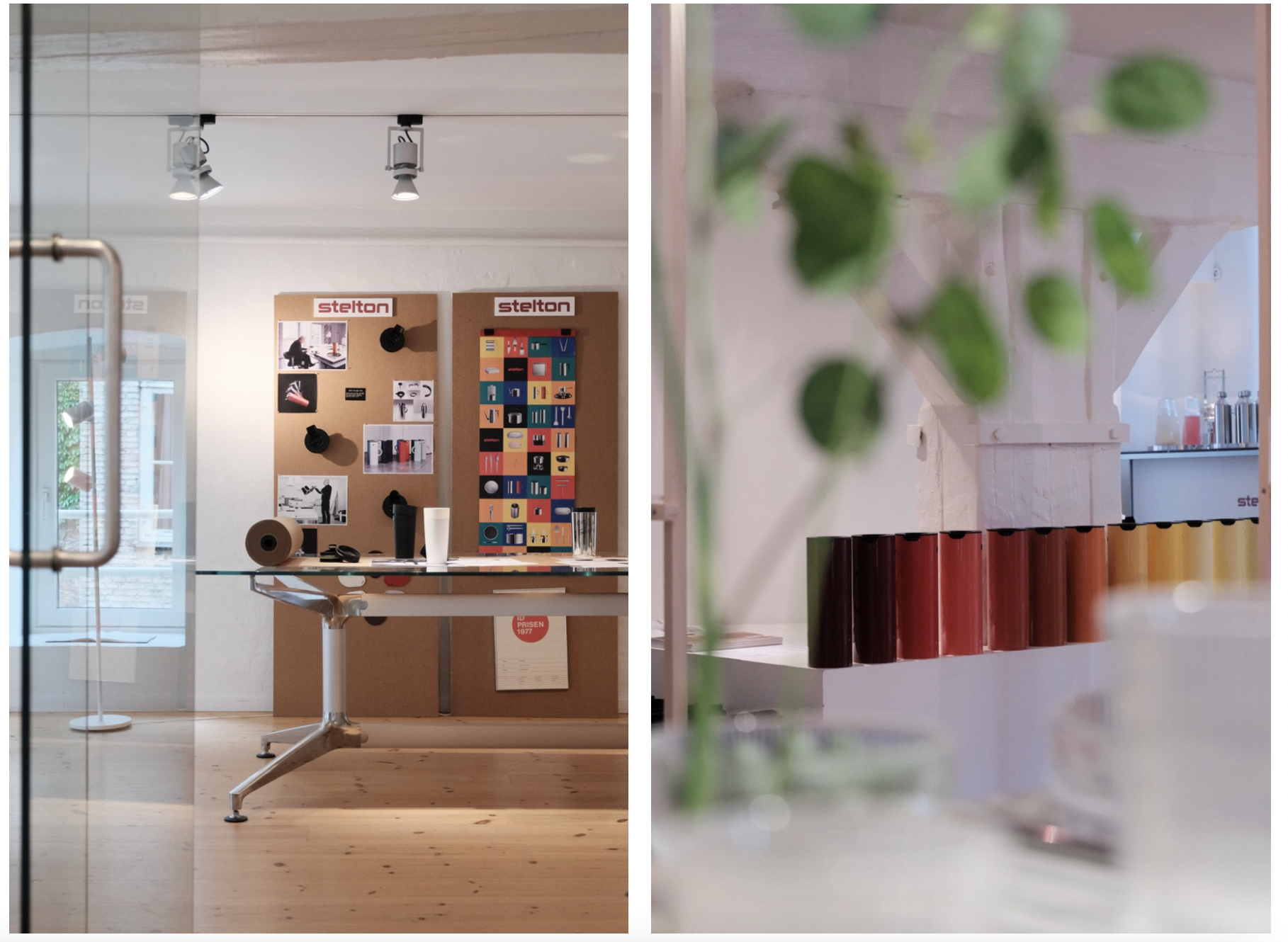
Photos by 3daysofdesign
Stelton
A masterclass in timeless design.
While many brands chase trends, Stelton focuses on products designed to remain relevant for decades. The Danish company showcased both classic icons and newer additions, demonstrating how a strong design language can evolve without losing its identity. Walking through the exhibition felt like a reminder that the most sustainable object is often the one you never need to replace.
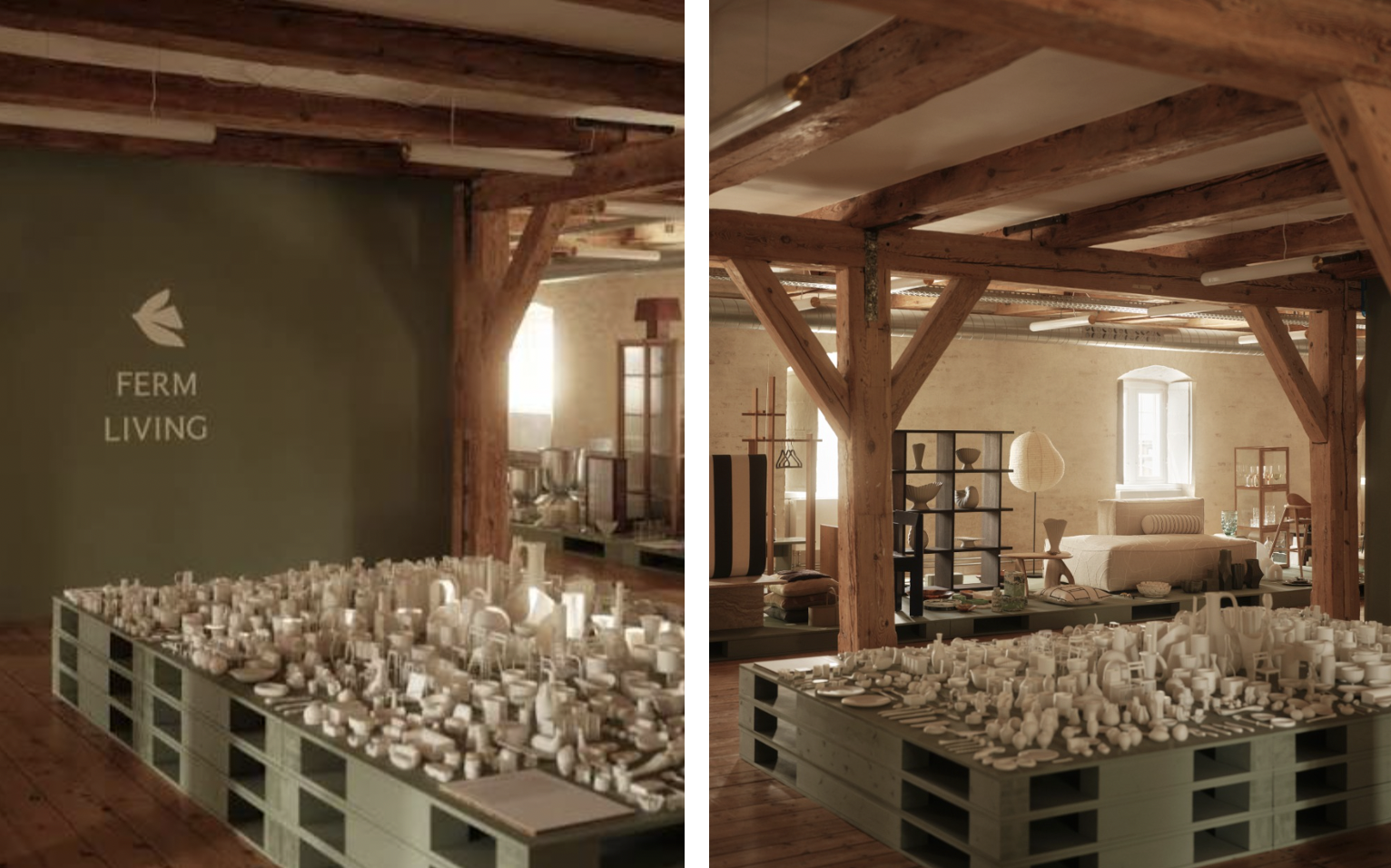
Photos by Ferm Living
Ferm Living
Calm, tactile and beautifully executed.
Their exhibition felt less like a showroom and more like entering a beautifully considered home. Soft natural materials, sculptural furniture and carefully curated objects created spaces designed to slow people down rather than stimulate them. What makes Ferm Living particularly interesting is its ability to evolve while remaining recognisably itself. The latest collection continues the company's exploration of craftsmanship, tactility and emotional wellbeing, reflecting a broader desire for interiors that feel comforting, grounded and human.
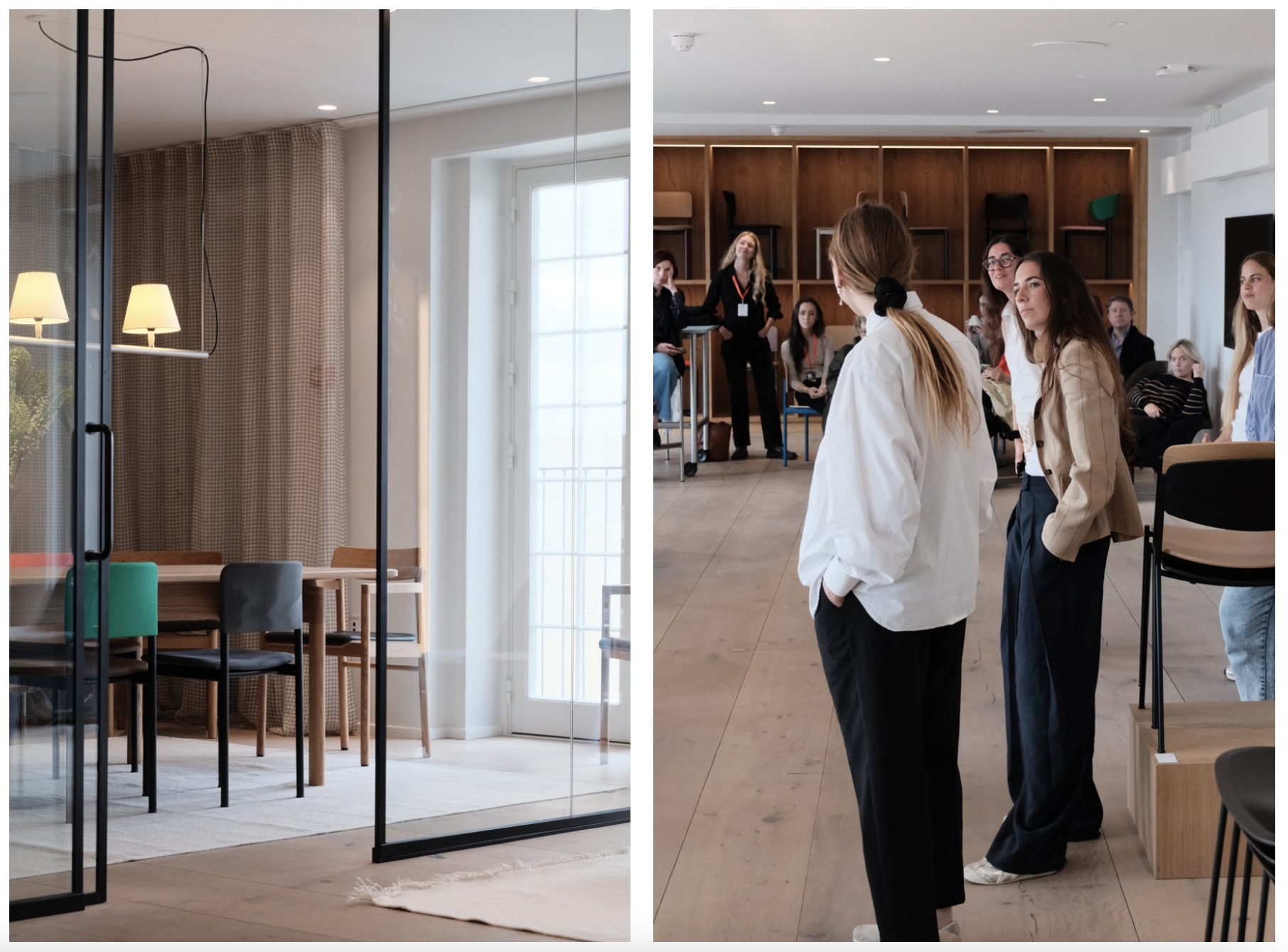
Santa & Cole Photos by 3daysofdesign
Santa & Cole
Few companies embody the idea of design as cultural stewardship quite like Santa & Cole.
Founded in Barcelona in the 1980s, the company describes itself not as a manufacturer but as an editor of design. Throughout its exhibition, there was a clear emphasis on preserving and reintroducing timeless objects rather than constantly producing something new. The collection brought together pieces by some of Spain's most influential designers alongside contemporary works, creating a dialogue between past and present. What stood out was the warmth of the presentation. Unlike many highly polished contemporary interiors, Santa & Cole's world feels deeply human. Their lighting creates atmosphere rather than spectacle, and their furniture prioritises comfort over statement-making.
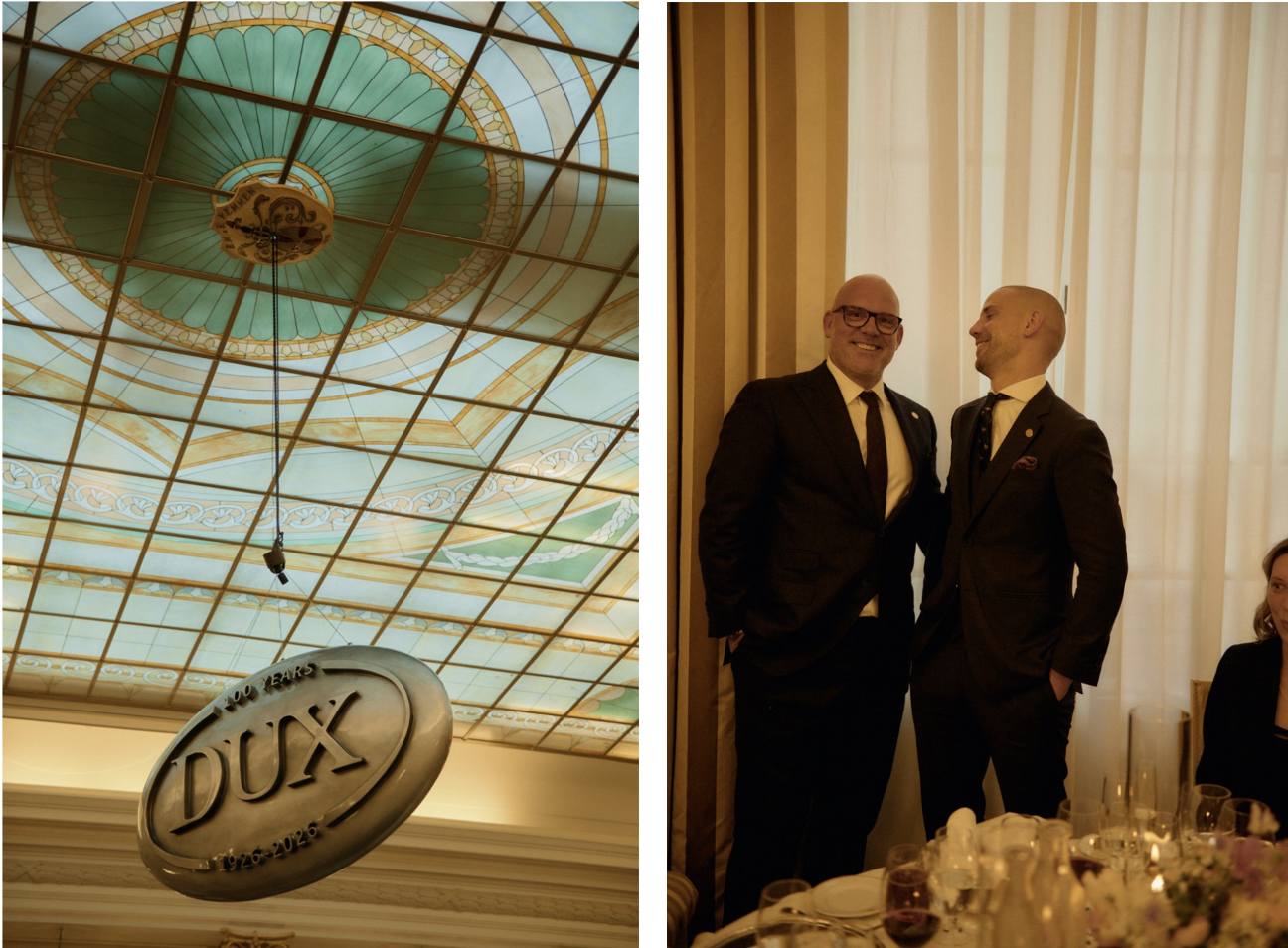
Photos by 3daysofdesign
DUX
One of the more surprising moments of the festival came over breakfast at Hotel d'Angleterre with Swedish bed manufacturer DUX. While many exhibitors focused on aesthetics, DUX focused on performance. Their presentation explored the science of sleep and demonstrated how decades of engineering research have informed the development of their mattresses and sleep systems.
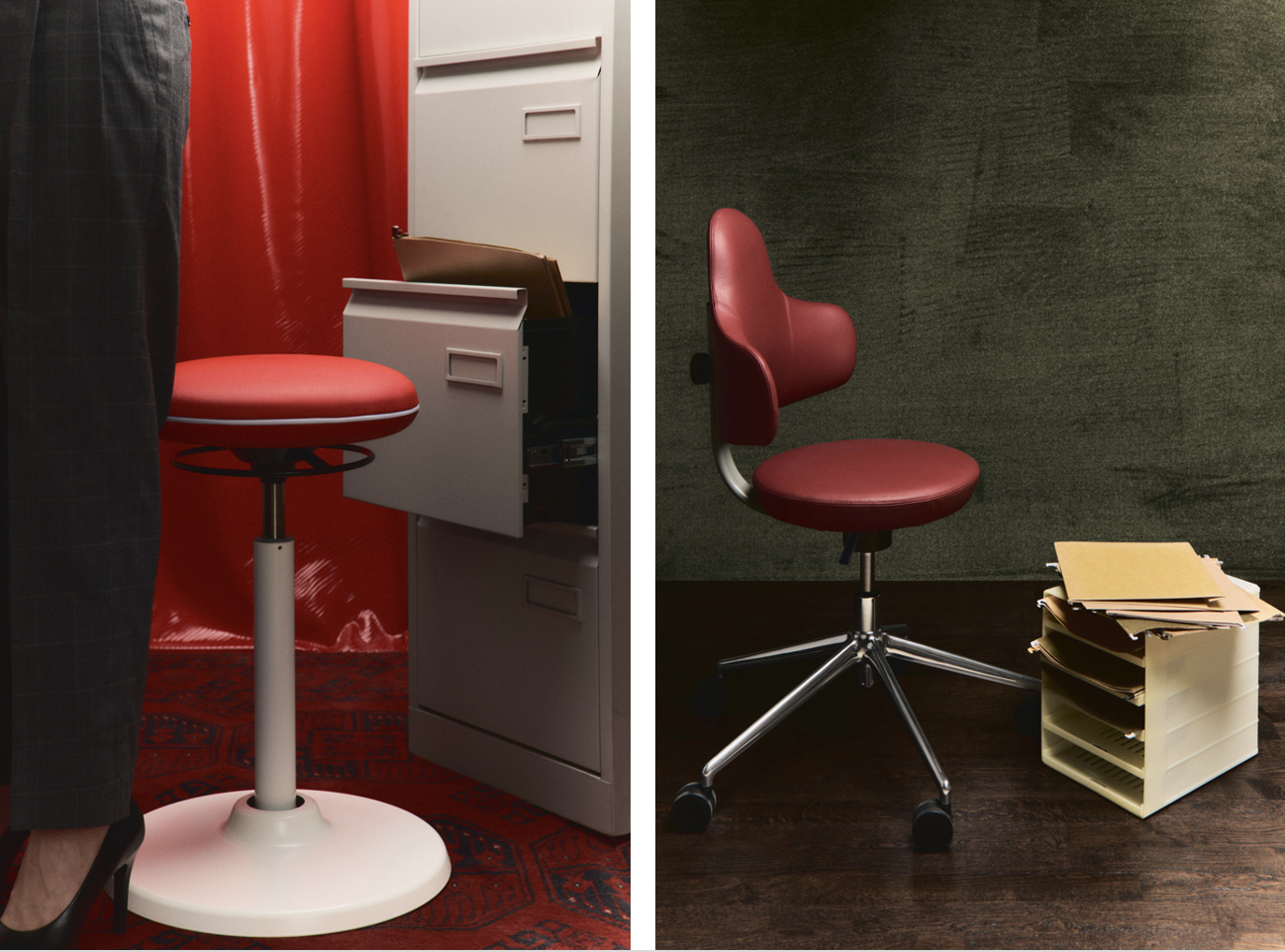
Photos by 3daysofdesign
SAVO
Office chairs are rarely exciting, but SAVO somehow made them interesting.
The Scandinavian company used its exhibition to explore the future of workplace wellbeing through ergonomics, movement and sustainable design. As hybrid working continues to reshape offices around the world, furniture is increasingly expected to support physical and mental health rather than simply provide functionality.
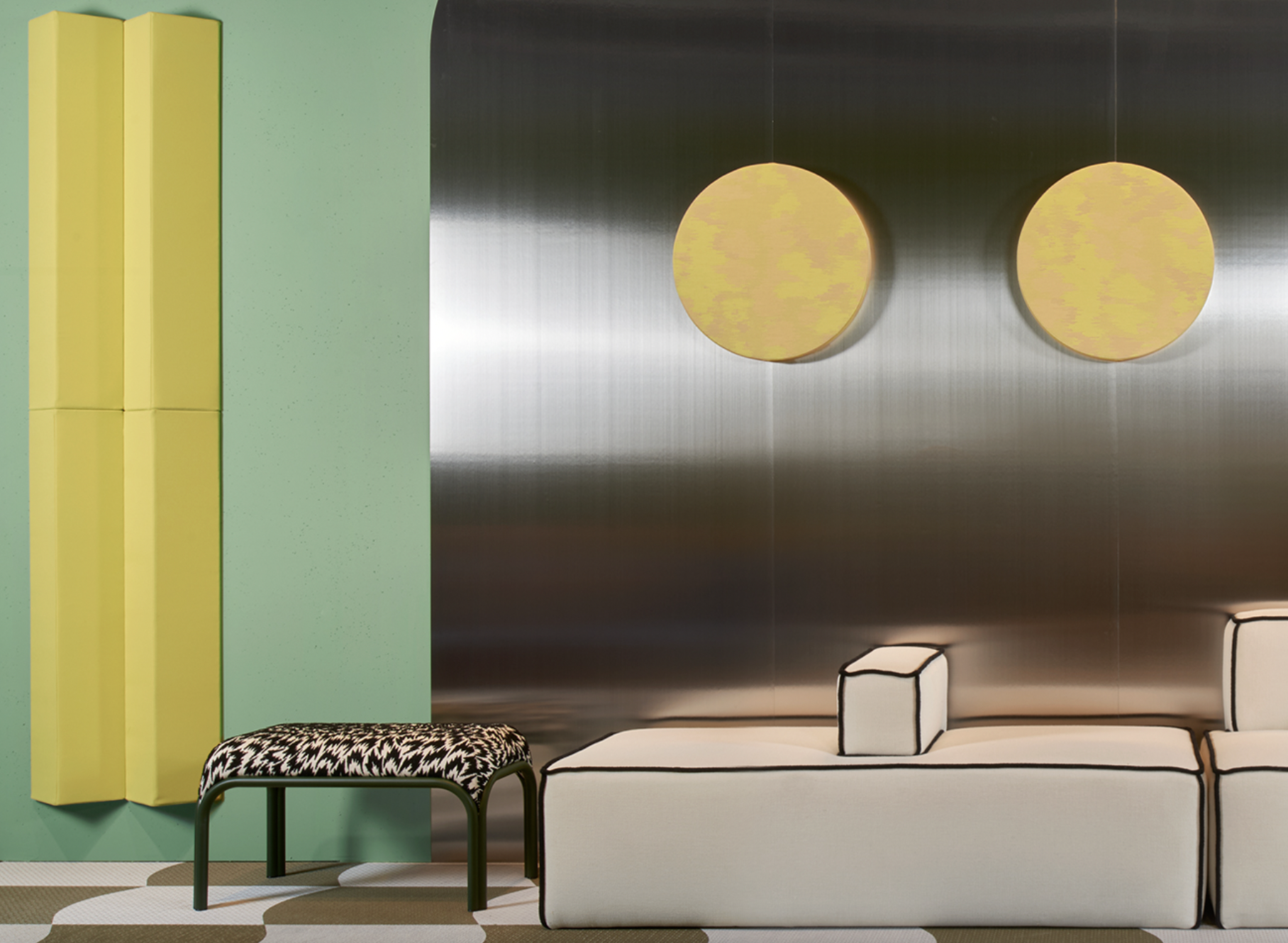
Photo by 3daysofdesign
Johanson Design
Walking into Johanson Design felt like stepping into one of the happiest exhibitions of the festival.
Known for collaborating with leading designers, the Swedish company used colour as a central theme throughout its presentation. The exhibition demonstrated a growing appetite for interiors that feel optimistic, expressive and playful and collaborations with the lovely designer Teklan.
After years dominated by muted palettes and restrained minimalism, Johanson Design captured a mood that appeared throughout Copenhagen: the return of joy.
Photos by Sancal
Sancal
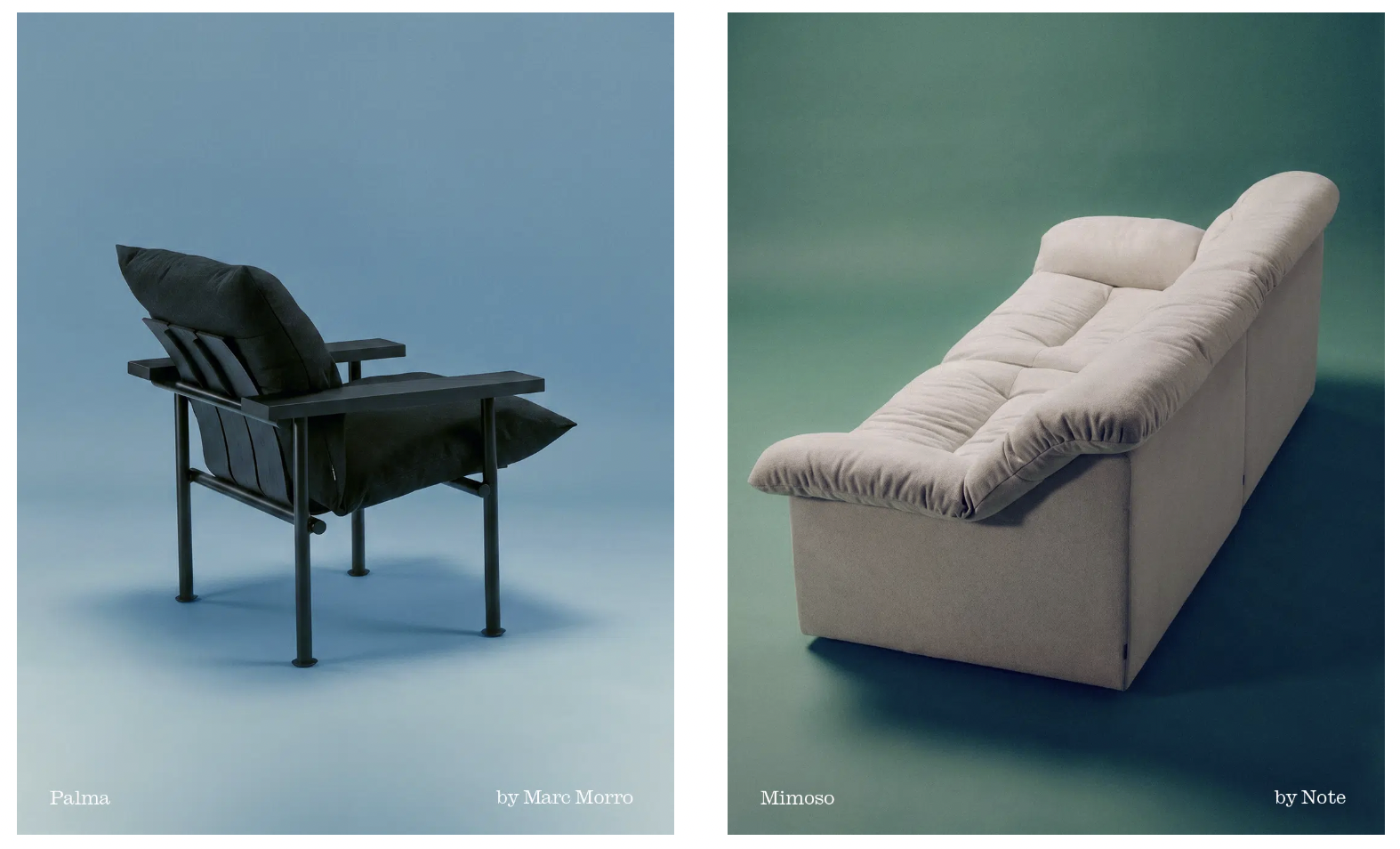
Spanish furniture company Sancal brought a welcome dose of Mediterranean warmth to Copenhagen.
Its exhibition felt vibrant, artistic and unapologetically colourful. Curves replaced straight lines. Rich tones replaced neutrals. Playfulness replaced restraint. Yet despite its distinctly Spanish character, the presentation resonated strongly with Nordic audiences. It suggested that contemporary design is becoming increasingly international, with regional influences blending together rather than existing in isolation.
Photos by Bruun Rasmussen
Bruun Rasmussen
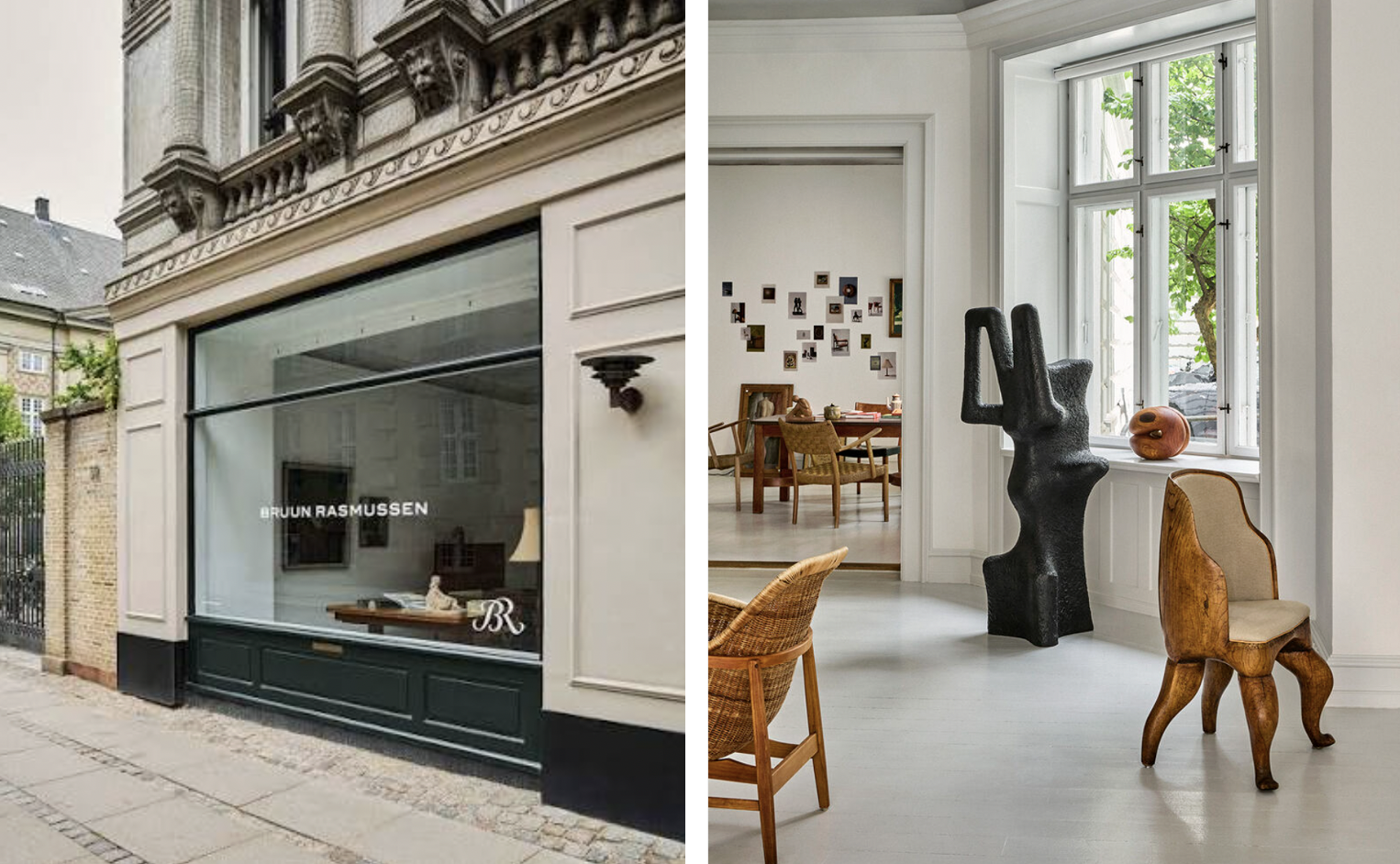
In a festival dominated by product launches and new collections, Bruun Rasmussen offered something refreshingly different.
The renowned Danish auction house used 3daysofdesign to present Collector's Edit, an exhibition celebrating art, design and provenance. Rather than asking visitors to focus on what is new, the exhibition invited them to consider the stories objects accumulate over time. Each piece carried a history of ownership, craftsmanship and cultural significance, reminding visitors that great design rarely loses its relevance.
Walking through the exhibition felt less like visiting a showroom and more like entering the home of an exceptionally knowledgeable collector. Furniture, ceramics and design objects from the twentieth century sat alongside works by some of Scandinavia's most celebrated makers, demonstrating how contemporary designers continue to draw inspiration from the past.
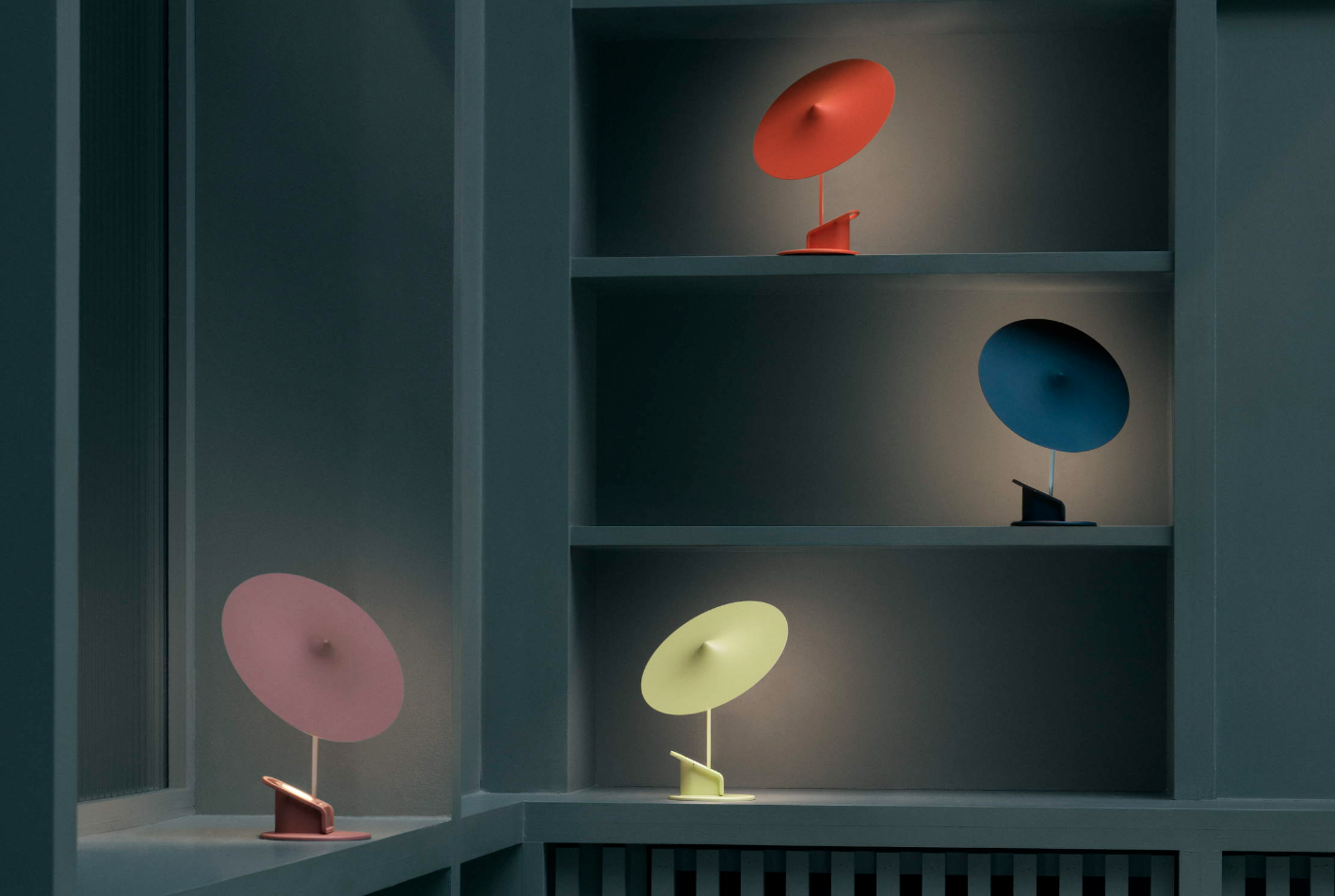
Photo by Wästberg
Wästberg
Among the many lighting companies exhibiting this year, Wästberg remained one of the most intellectually interesting.
The Swedish brand has built its reputation by approaching lighting as a question of human wellbeing rather than decoration. Their exhibition explored how light affects mood, productivity, concentration and comfort
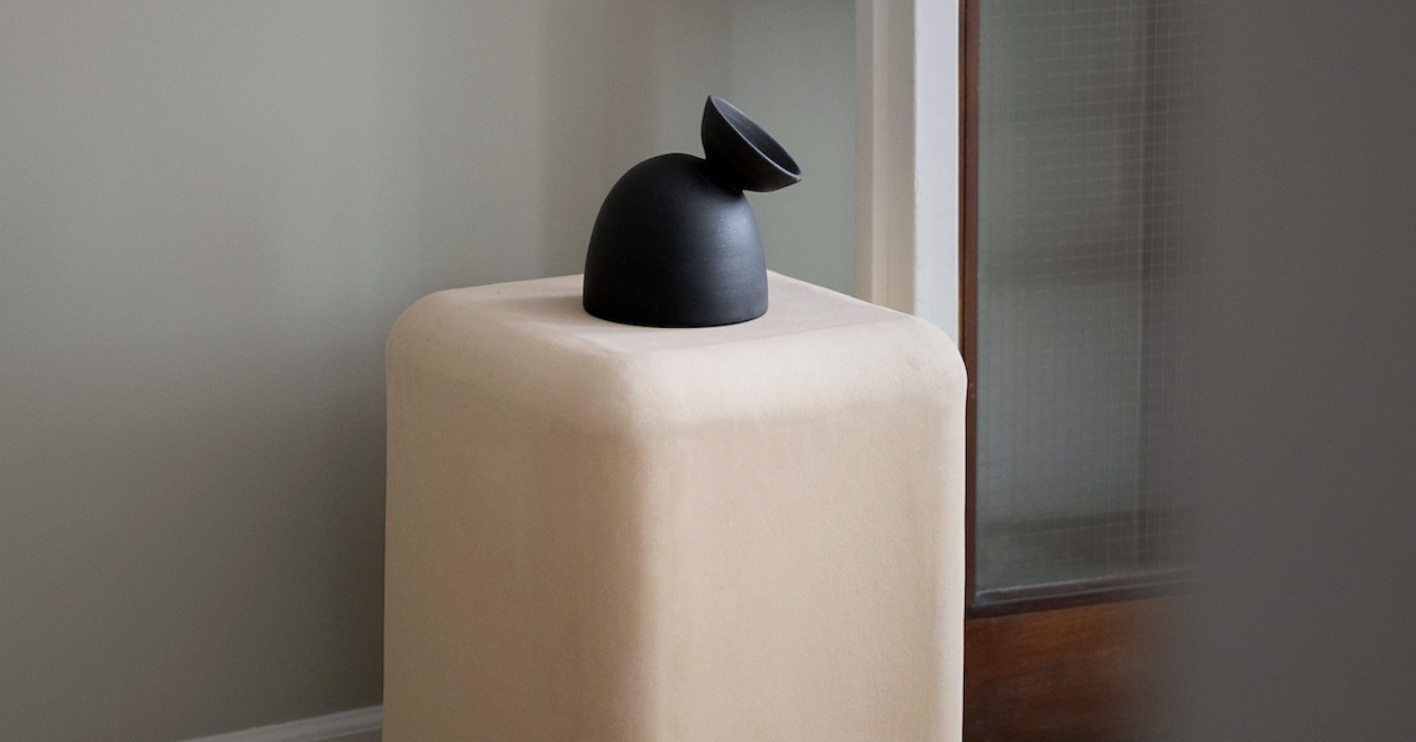
Photo by Origin Made
Origin Made
One of the most soulful exhibitions came from Portuguese brand Origin Made.
Working directly with artisans and craftspeople, the company creates furniture and objects that celebrate traditional making techniques while remaining firmly contemporary. Every object seemed to carry a story of the hands that made it.
The exhibition offered a powerful reminder that technology and craftsmanship do not have to exist in opposition. In fact, some of the most compelling design today emerges precisely where the two meet.
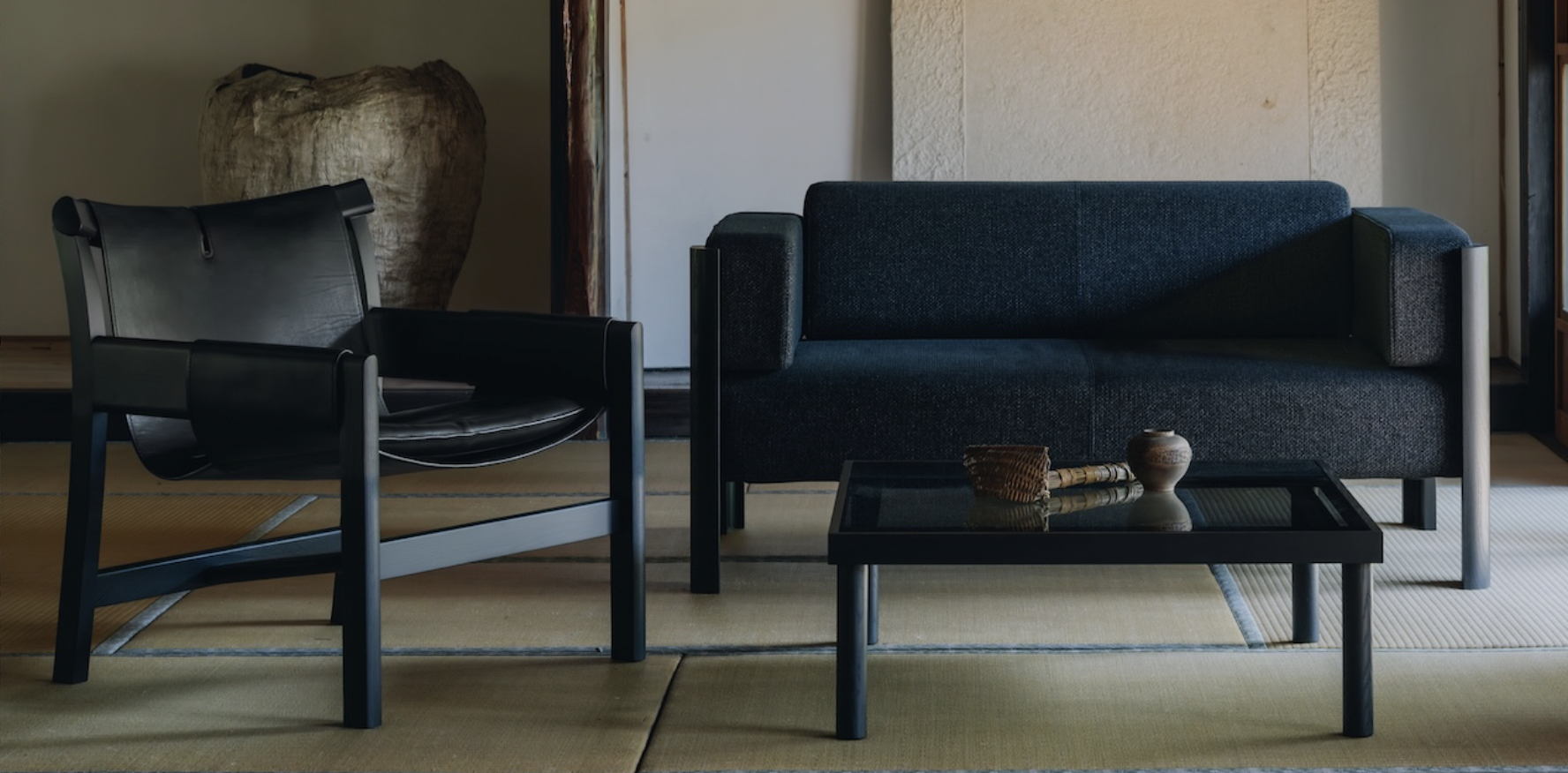
Photo by Ariake
Ariake
If Dusty Deco represented abundance, Ariake represented restraint.
The Japanese furniture brand presented beautifully crafted pieces defined by simplicity, precision and exceptional attention to detail. Every joint, edge and material choice appeared carefully considered.
The exhibition highlighted the deep affinity between Japanese and Scandinavian design cultures. Both traditions share a respect for craftsmanship, natural materials and quiet beauty, making Ariake feel perfectly at home in Copenhagen.
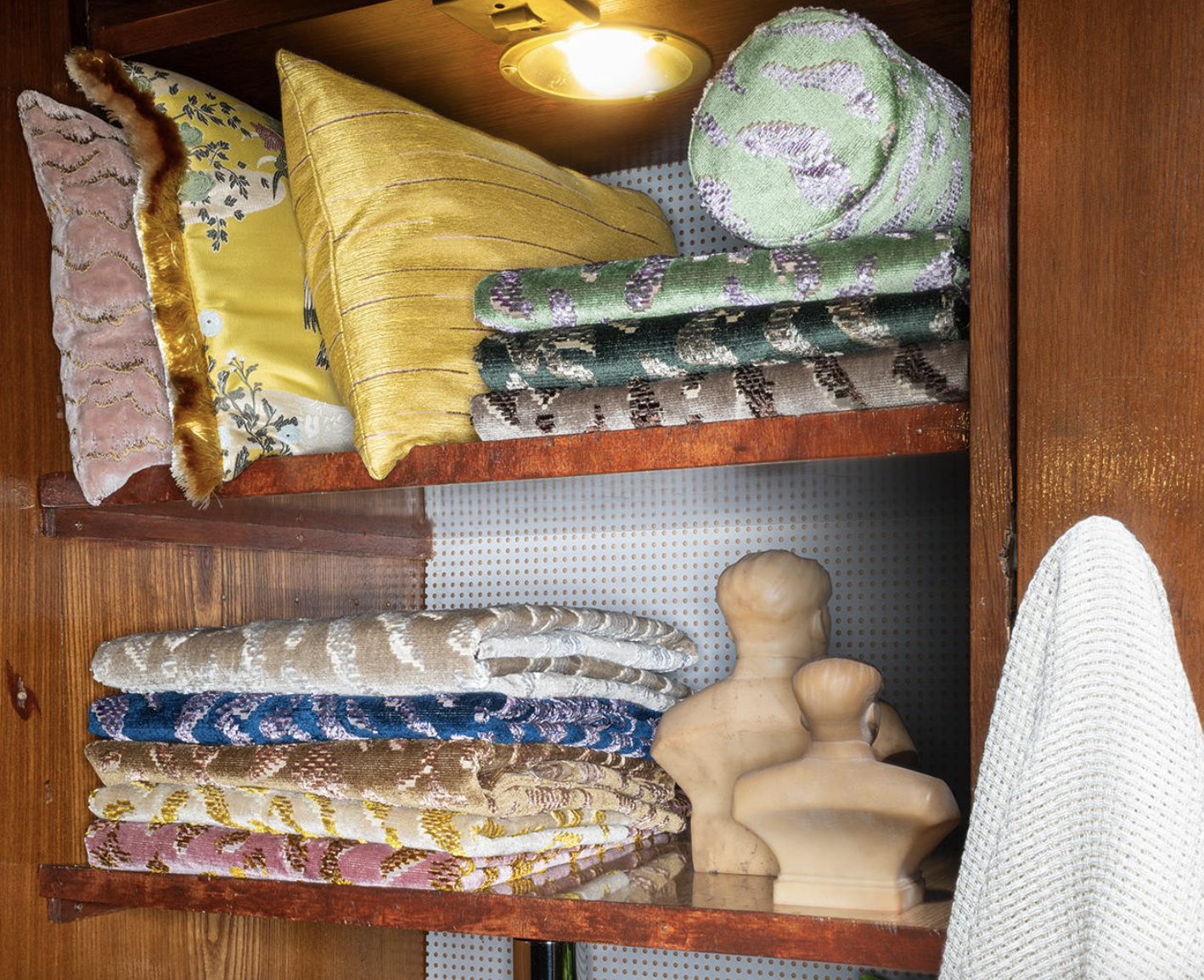
Photo ny Zimmer + Rohde
Zimmer + Rohde
Among all the furniture and lighting on display throughout Copenhagen, Zimmer + Rohde reminded visitors that some of the most transformative elements of an interior are often the least obvious.
The German textile house presented a sophisticated exploration of texture, craftsmanship and materiality, demonstrating how fabrics influence the way spaces look, feel and function. Rich weaves, natural fibres and innovative finishes highlighted the extraordinary complexity behind what many people simply perceive as upholstery or curtains.
The exhibition emphasised the emotional dimension of textiles. Unlike furniture, which is often appreciated visually, textiles engage our sense of touch and comfort. They soften spaces, absorb sound and create atmosphere.
Photos by Magniberg
Magniberg
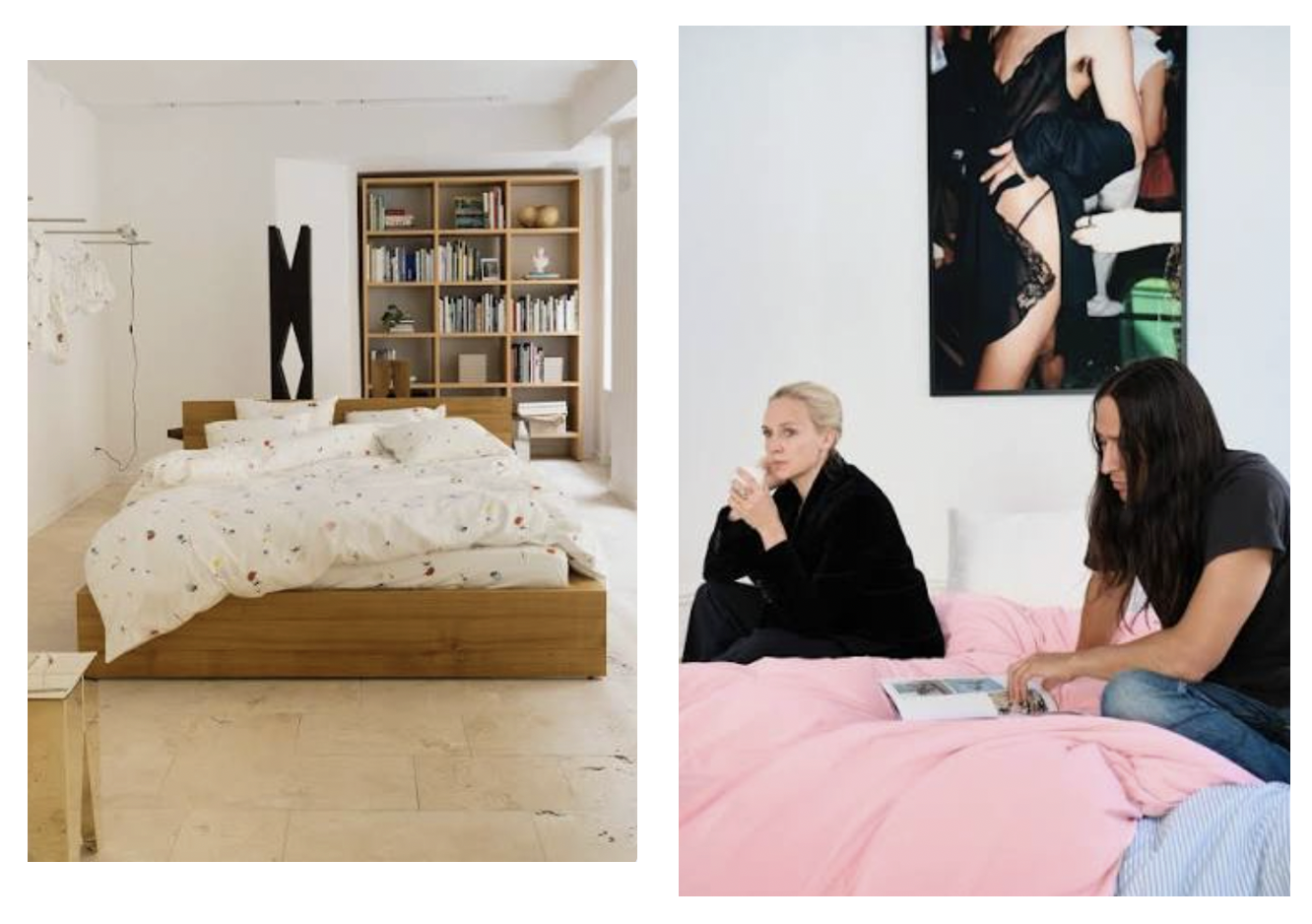
Founded by former fashion insiders, Magniberg approaches bedding in the same way a fashion house approaches clothing.
The result is a collection that feels editorial, sophisticated and contemporary. Rather than focusing on traditional notions of luxury, Magniberg emphasises individuality, styling and personal expression.
Their exhibition reflected another broader trend visible throughout the festival: the increasingly blurred boundaries between fashion and interiors.
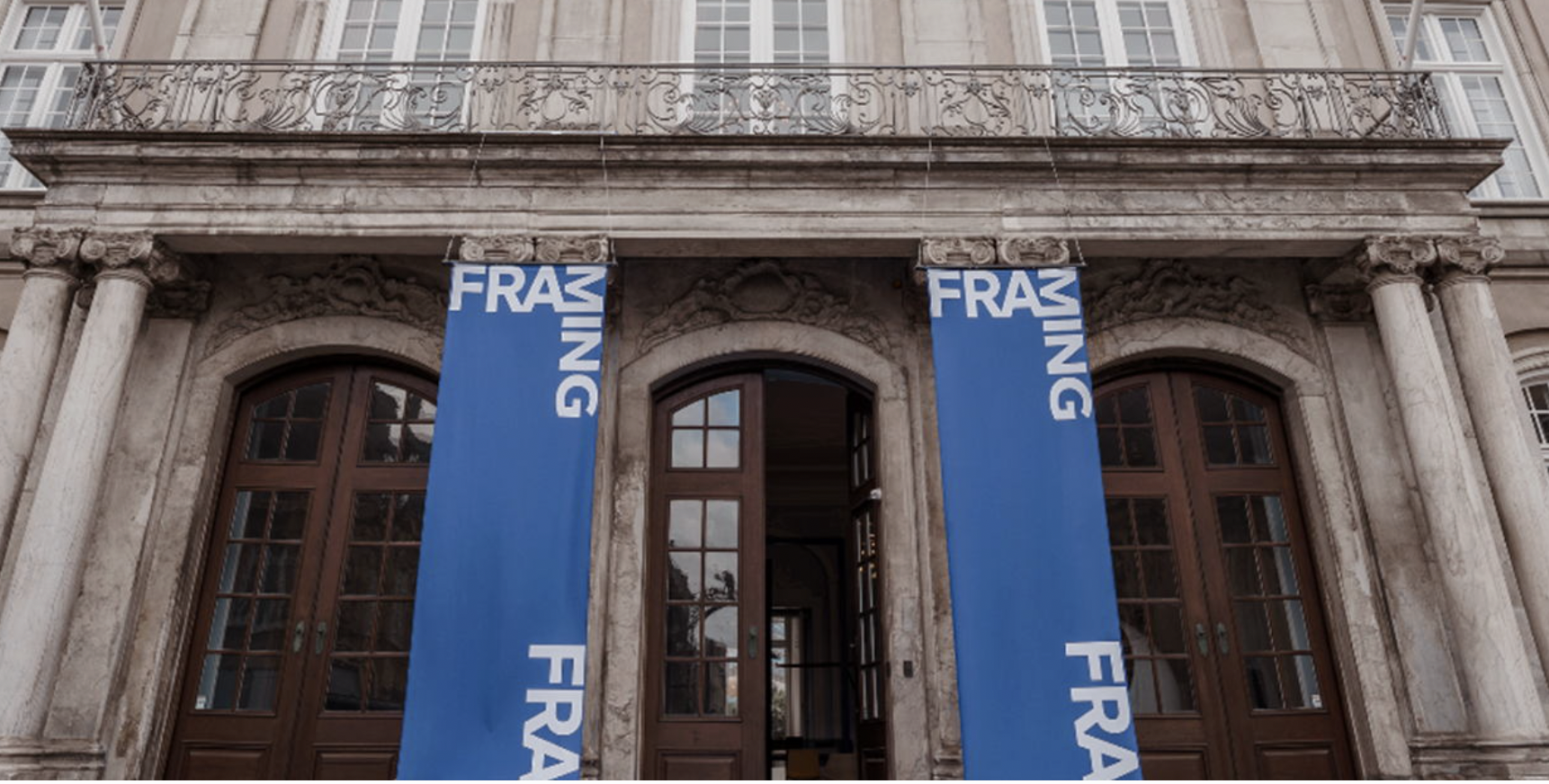
Photo by 3daysofdesign
Framing
Every design festival needs a place where visitors can quickly understand what is happening across the wider industry.
At 3daysofdesign, Framing served precisely that purpose.
The group exhibition brought together a carefully curated selection of brands, designers and makers from around the world, creating a condensed overview of contemporary design. Moving through the exhibition felt like taking the pulse of the industry itself.
Furniture sat alongside lighting, textiles, objects and experimental works. Different aesthetics, materials and philosophies existed side by side, creating a fascinating dialogue between established brands and emerging voices.
What made Framing particularly valuable was its ability to reveal broader patterns and trends. Rather than focusing on a single brand, it offered a wider perspective on where design appears to be heading.
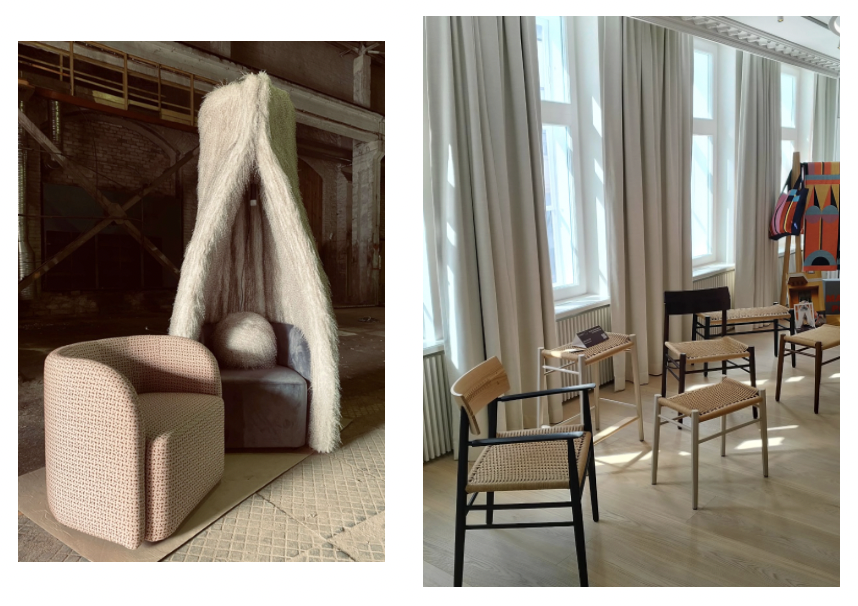
Photos by 3daysofdesign & Embassy of Estonia
Embassy of Estonia
One of the more unexpected highlights of the week came from the Embassy of Estonia.
While many exhibitions focused on products, the Estonian presentation explored the role design plays in shaping national identity and innovation. Bringing together architects, designers and creative companies, the exhibition demonstrated how a small country can use design as a powerful cultural and economic tool.
The presentation felt particularly relevant at a time when many nations are investing heavily in their creative industries. Estonia's approach highlighted how design can function not only as a commercial sector but also as a form of diplomacy, storytelling and international engagement.
It was a reminder that design's influence extends far beyond furniture and interiors.
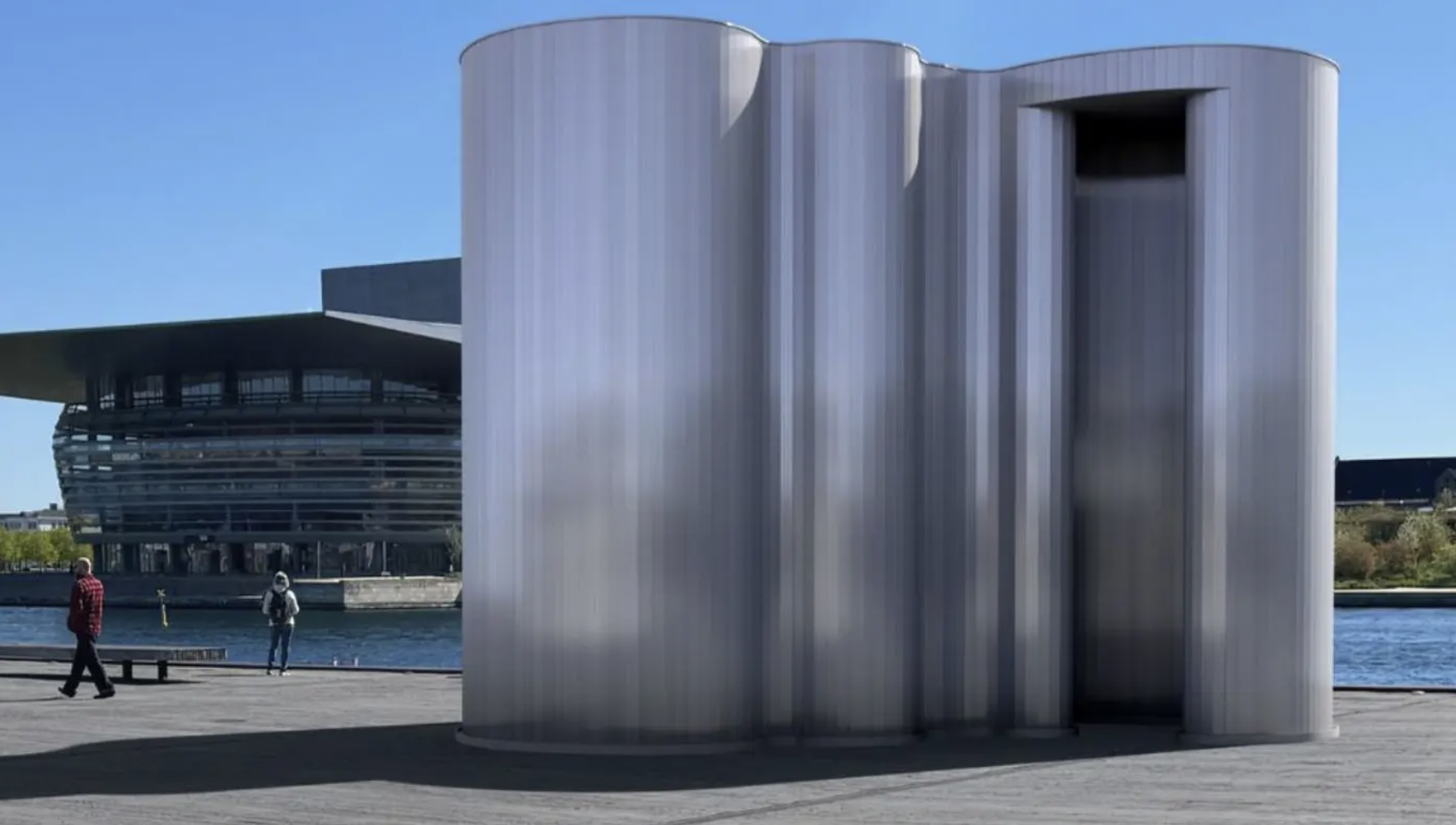
Photo by Iittala
Iittala
Few objects have had as much influence on Scandinavian design as Alvar Aalto's vase.
To mark the 90th anniversary of the iconic design, Iittala created an exhibition exploring its history, craftsmanship and enduring relevance. Visitors were able to trace the journey of the vase from its original debut in 1936 to its status as one of the most recognisable objects in modern design history.
What made the exhibition particularly compelling was its demonstration of how timeless design transcends trends. Nearly a century after its creation, the vase still feels contemporary, proving that great design is often remarkably resistant to time.
In a festival focused heavily on innovation, Iittala reminded visitors that some of the most revolutionary ideas have already been with us for generations.
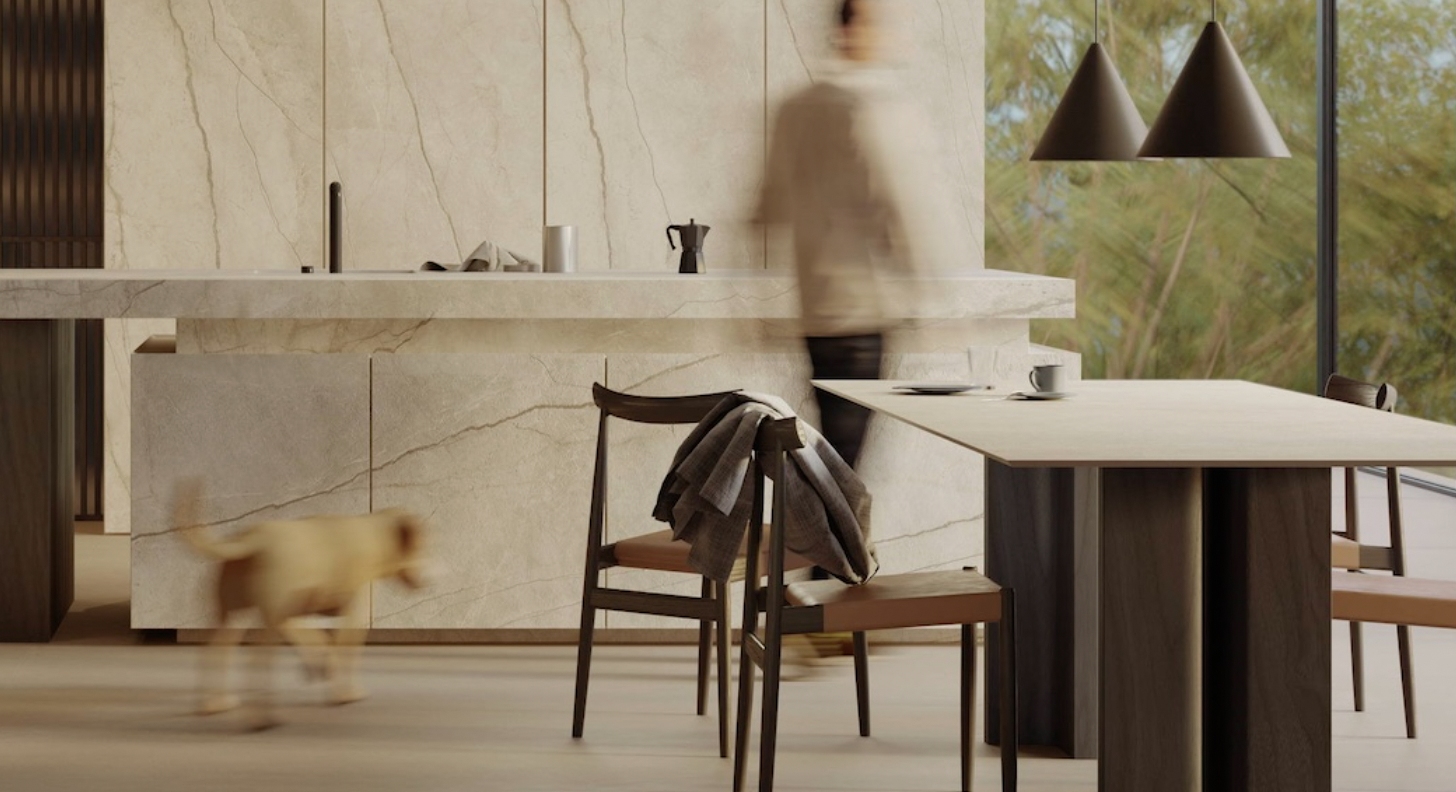
Photo by Marazzi
Marazzi
Tiles may not immediately sound like the most exciting subject at a design festival, yet Marazzi's exhibition proved otherwise.
The Italian ceramics company showcased how advances in technology continue to transform one of the world's oldest building materials. Large-format surfaces, innovative textures and increasingly sophisticated finishes blurred the boundaries between ceramic, stone and architectural installation.
At a festival dominated by furniture and lighting, Marazzi offered a useful reminder that architecture often begins with materials.
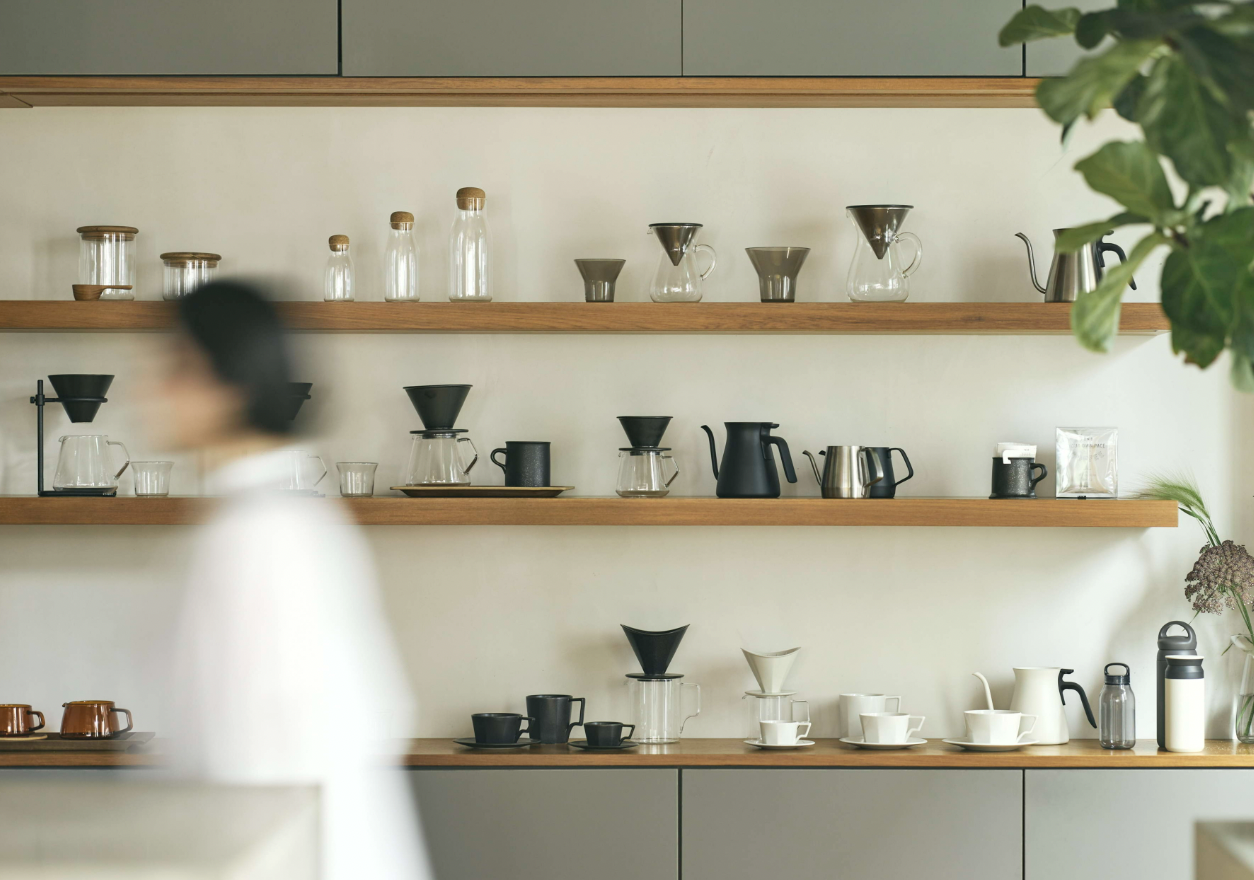
Photo by Kinto
Kinto
The final stop of the trip was perhaps one of the quietest, at the beautiful café Studio x Kitchen.
Japanese lifestyle brand Kinto is not interested in dramatic statements. Instead, it focuses on the small rituals that shape daily life: making coffee, serving tea, preparing food and gathering around a table.
Its beautifully understated objects demonstrated how thoughtful design can elevate even the simplest moments. After three days of intense stimulation, it felt like a fitting reminder that the ultimate purpose of design is not spectacle but improving everyday life.
Why Copenhagen Continues to Lead
What makes 3daysofdesign unique is not the number of exhibitors, but the city itself.
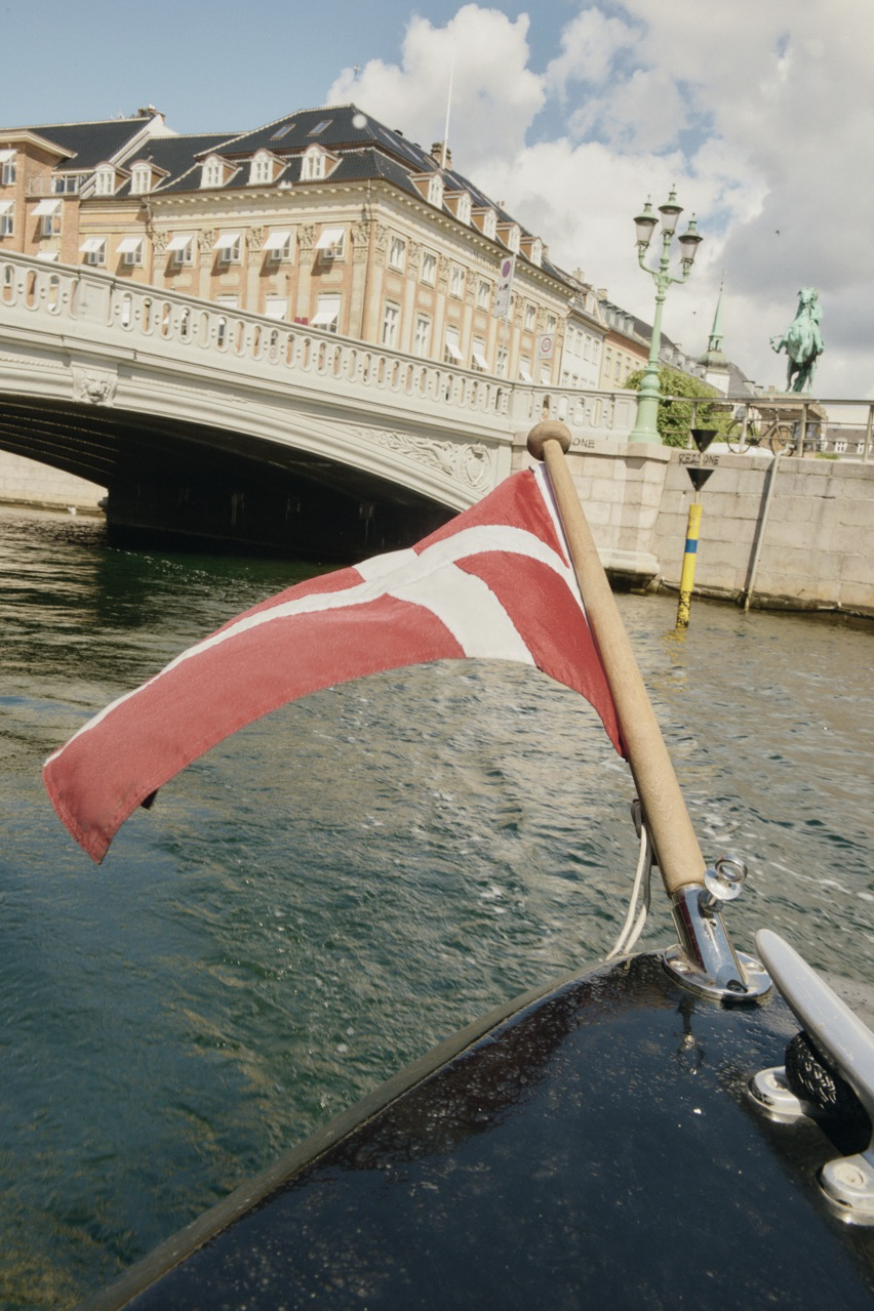
One moment you are discussing sustainable materials inside a historic mansion. The next, you are boarding a harbour boat on your way to a lighting installation. Then cycling through Copenhagen to an embassy exhibition before ending the evening at a dinner with designers from around the world.
For three days, Copenhagen becomes a living, breathing design laboratory, and perhaps that is why 3daysofdesign has become one of the most important events on the global design calendar.
It is not simply about furniture, but about ideas, and the future.
And after three days of conversations, exhibitions and discoveries, it is impossible not to leave inspired.